Discover Auckland's Urban and Natural Attractions
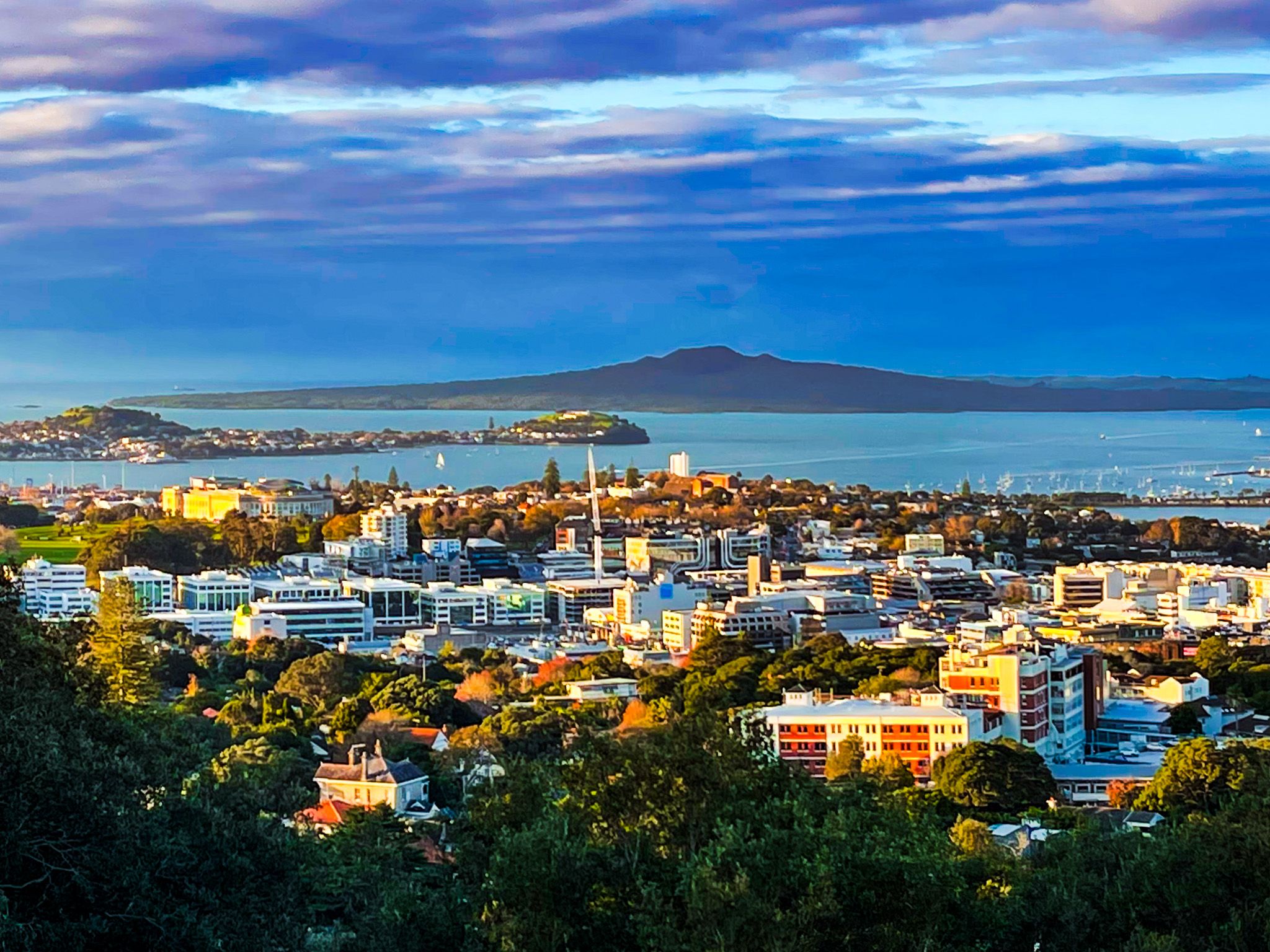
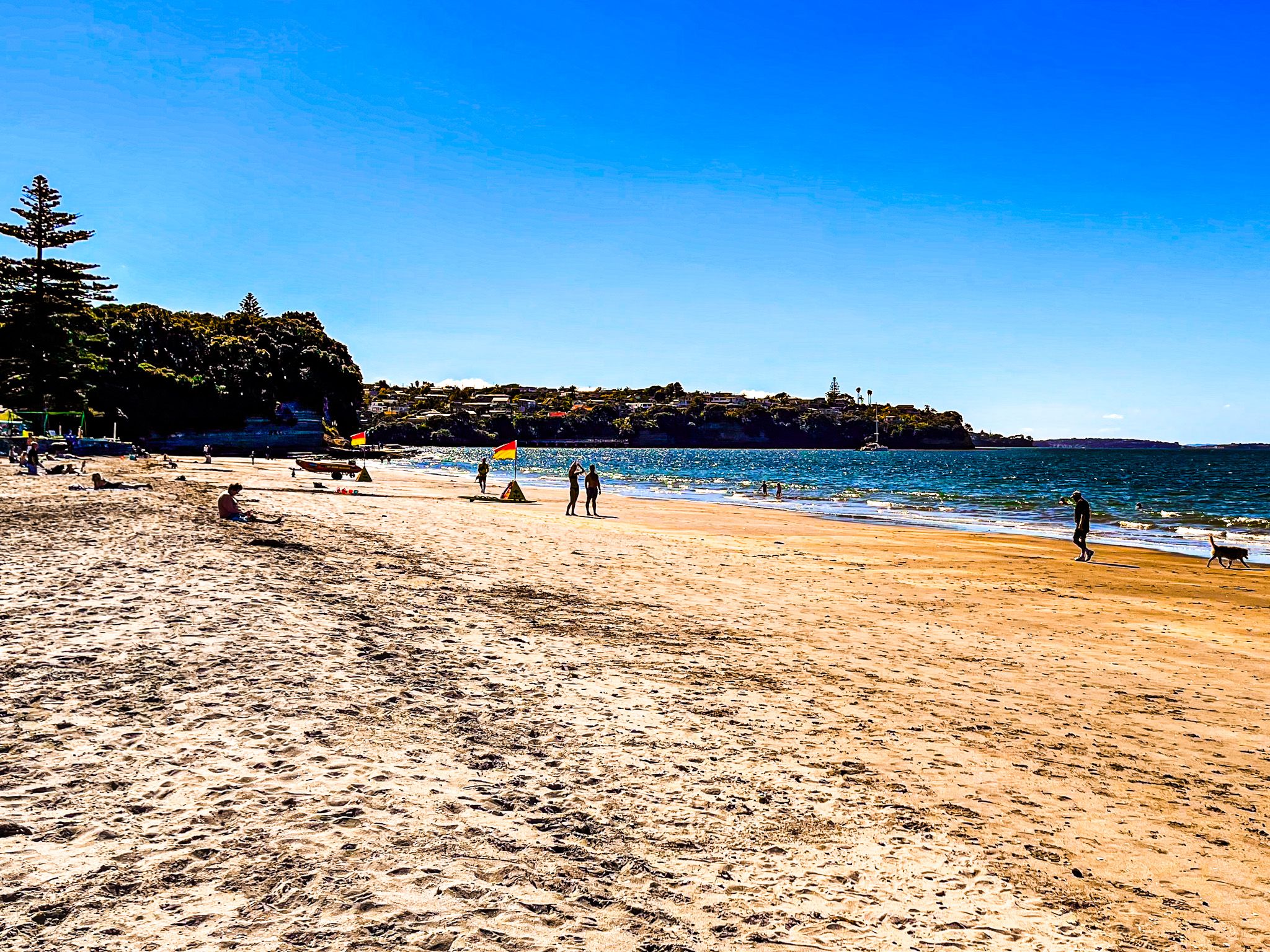
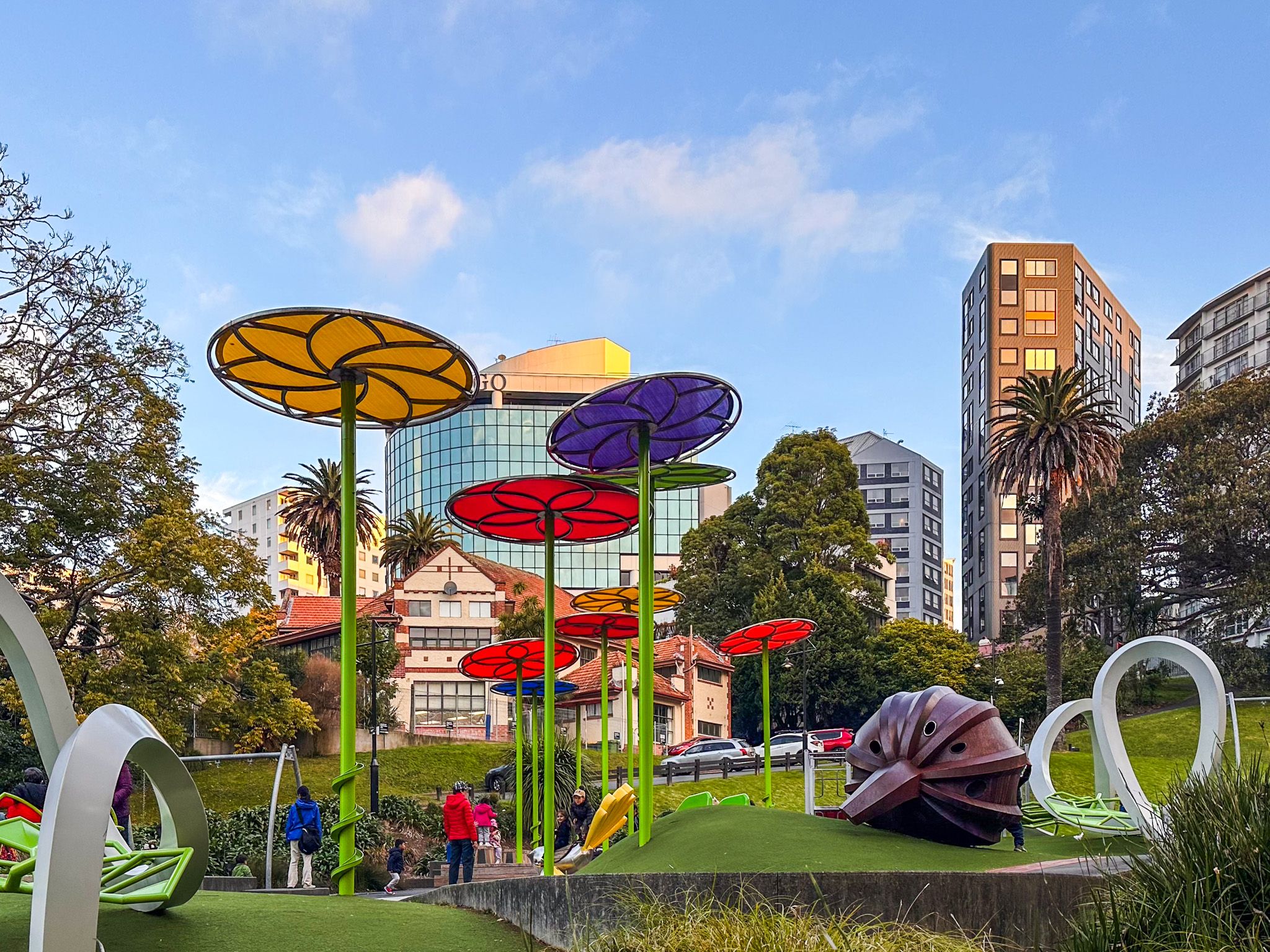
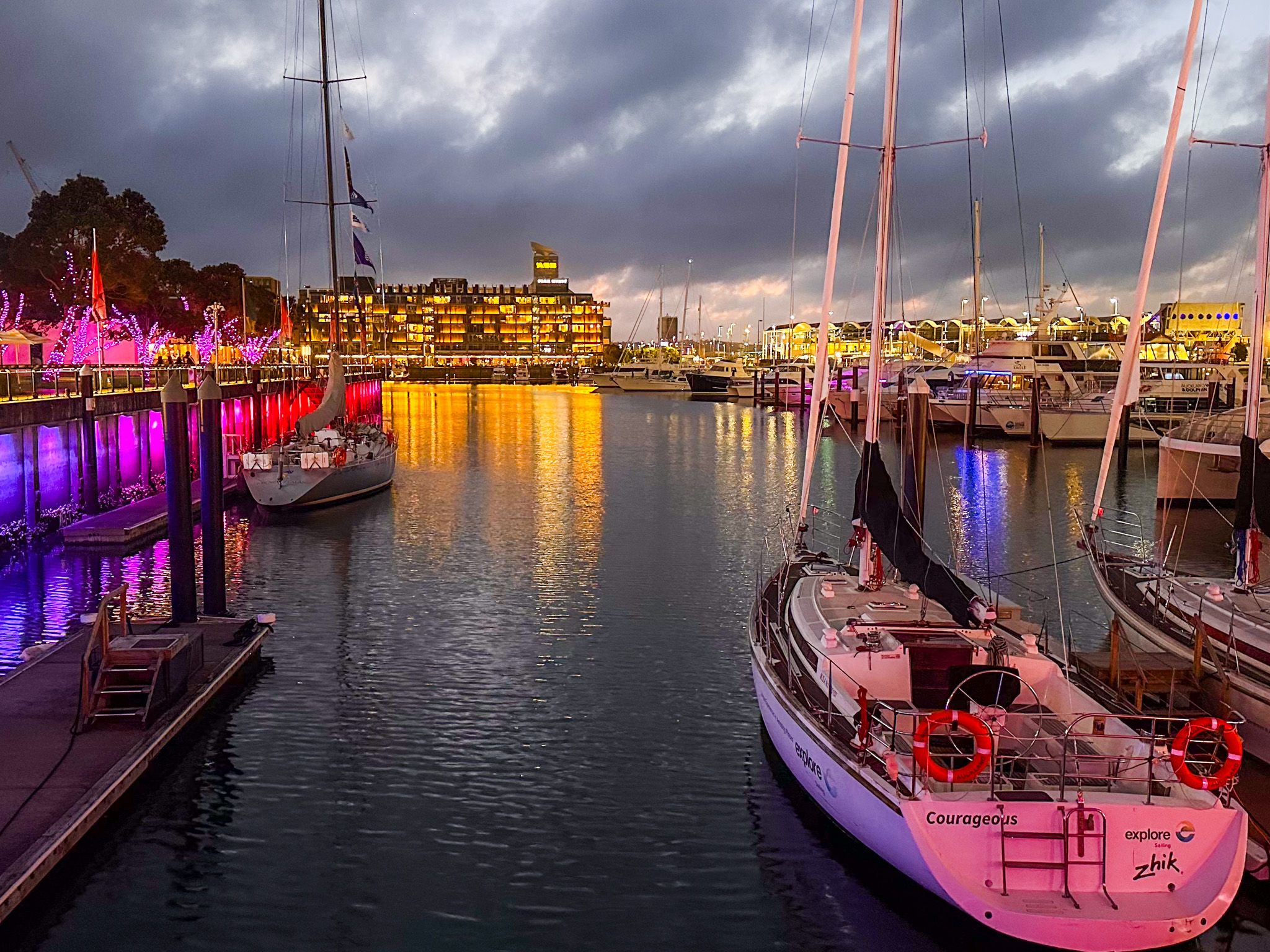
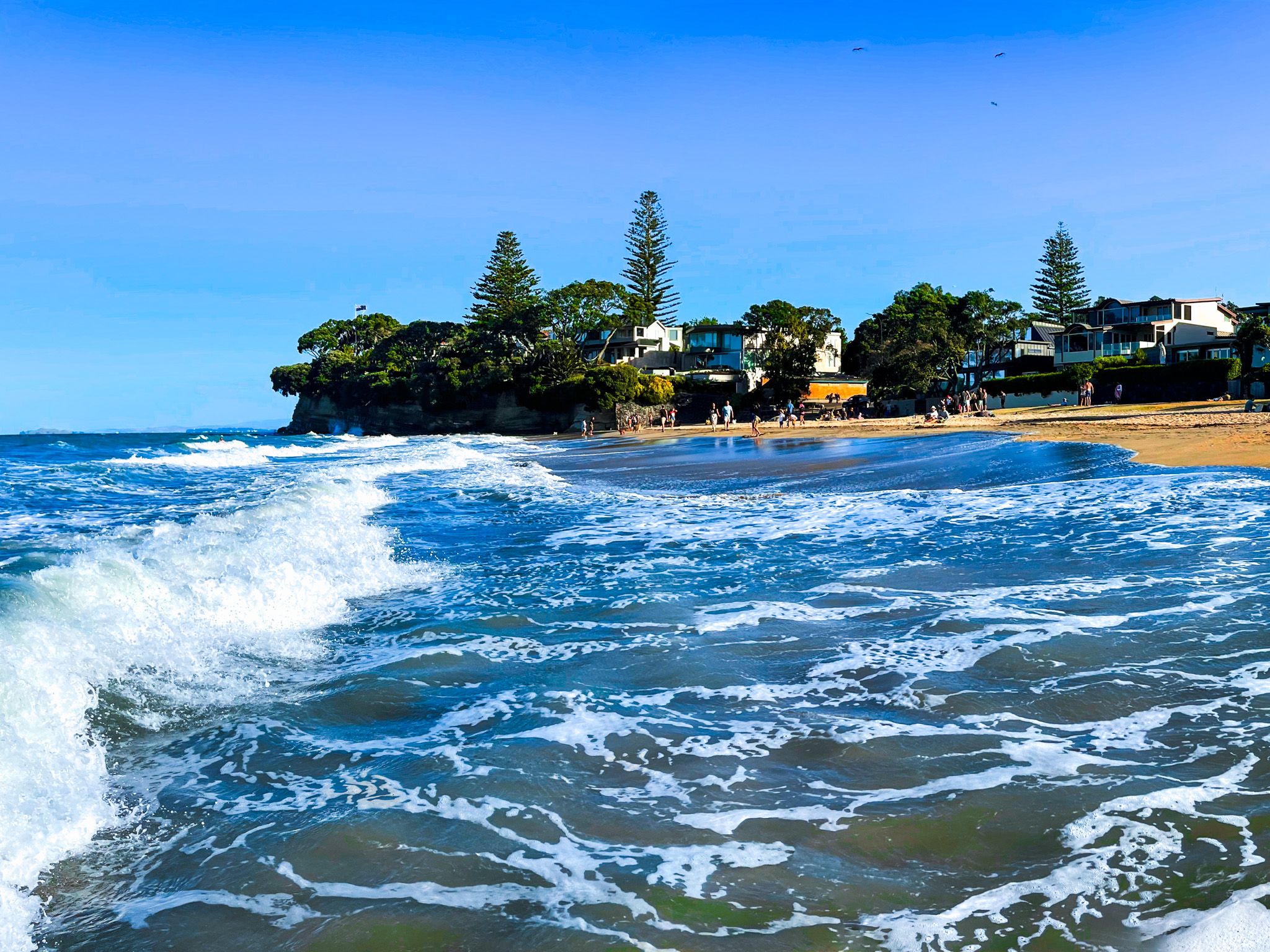
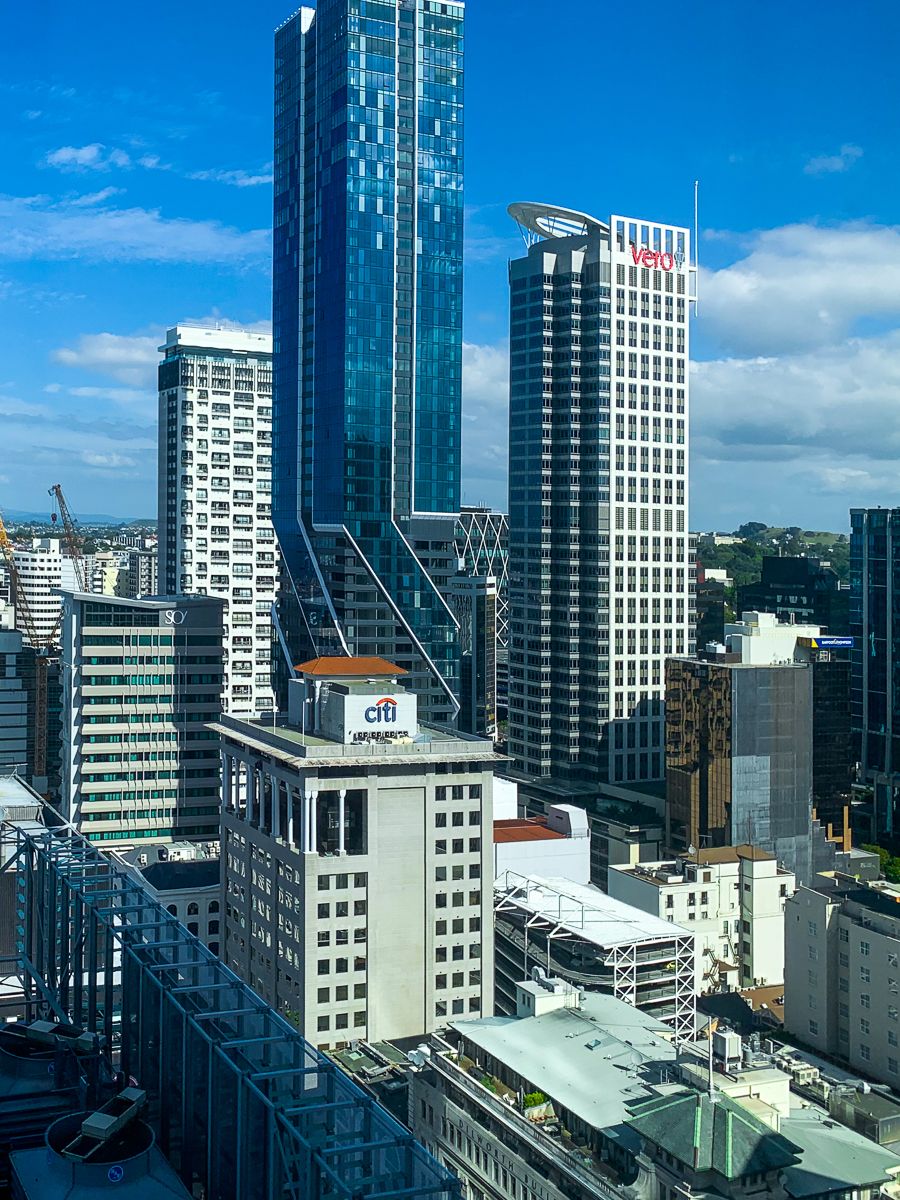
Auckland City / Tāmaki Makaurau is the largest city in Aotearoa New Zealand, with a population of around 1.7 million. Surrounded by water, it is aptly nicknamed the "City of Sails." This bustling metropolis has a unique combination of urban comforts and outdoor adventures, featuring a walkable Downtown area, over 70 beaches, 4,000 parks, extinct volcanoes, and accessible islands. The forest-clad Waitākere Ranges and Hunua Ranges, and 28 big Regional Parks, add to the city's appeal.
Geographical Features and Parks
The Auckland region occupies what used to be described as Auckland Province, which extends from the Bombay Hills to the south to the Kaipara Harbour in the north. Much of this area is rural farmland and parkland, but it is all referred to as Auckland.
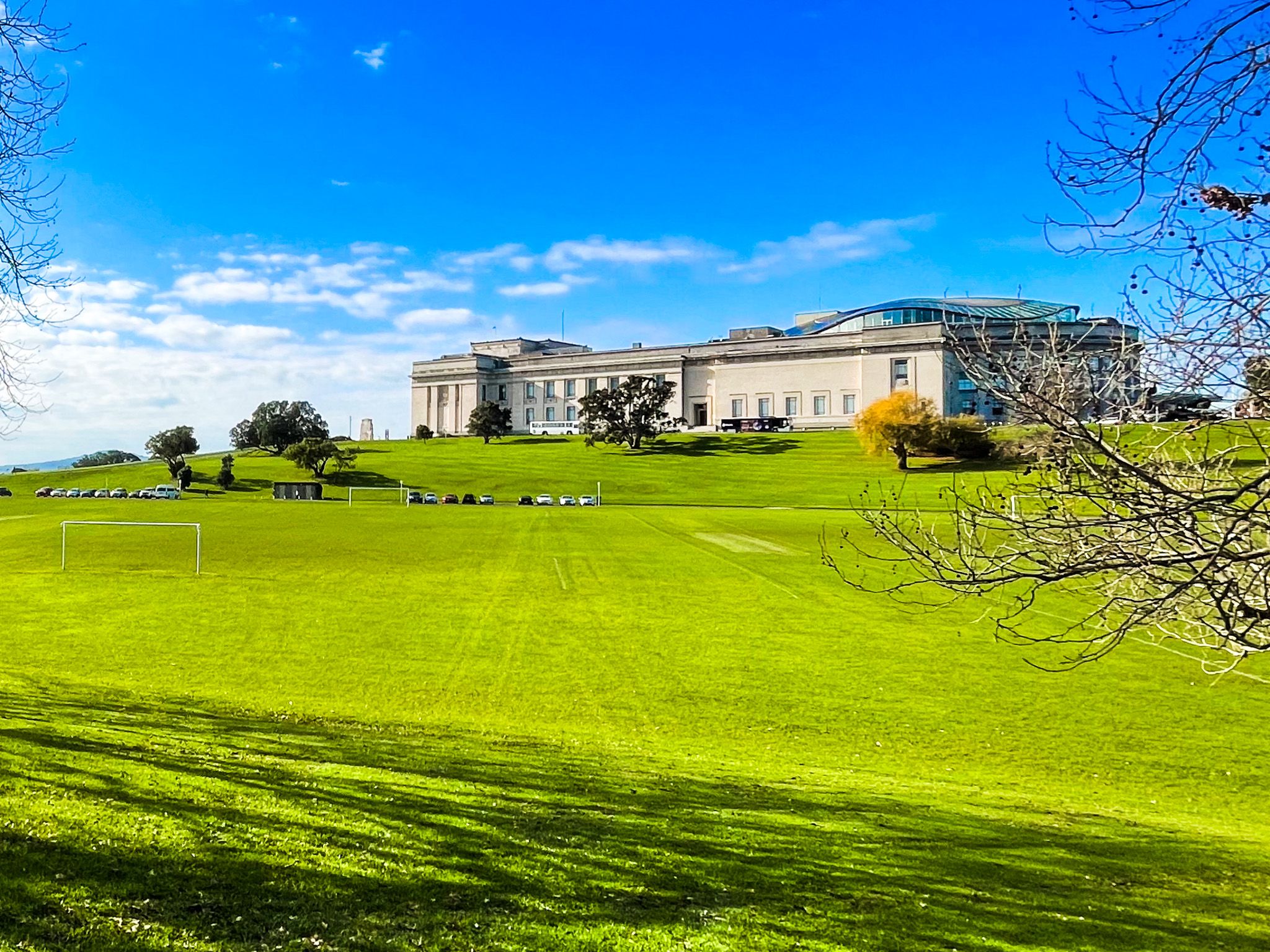
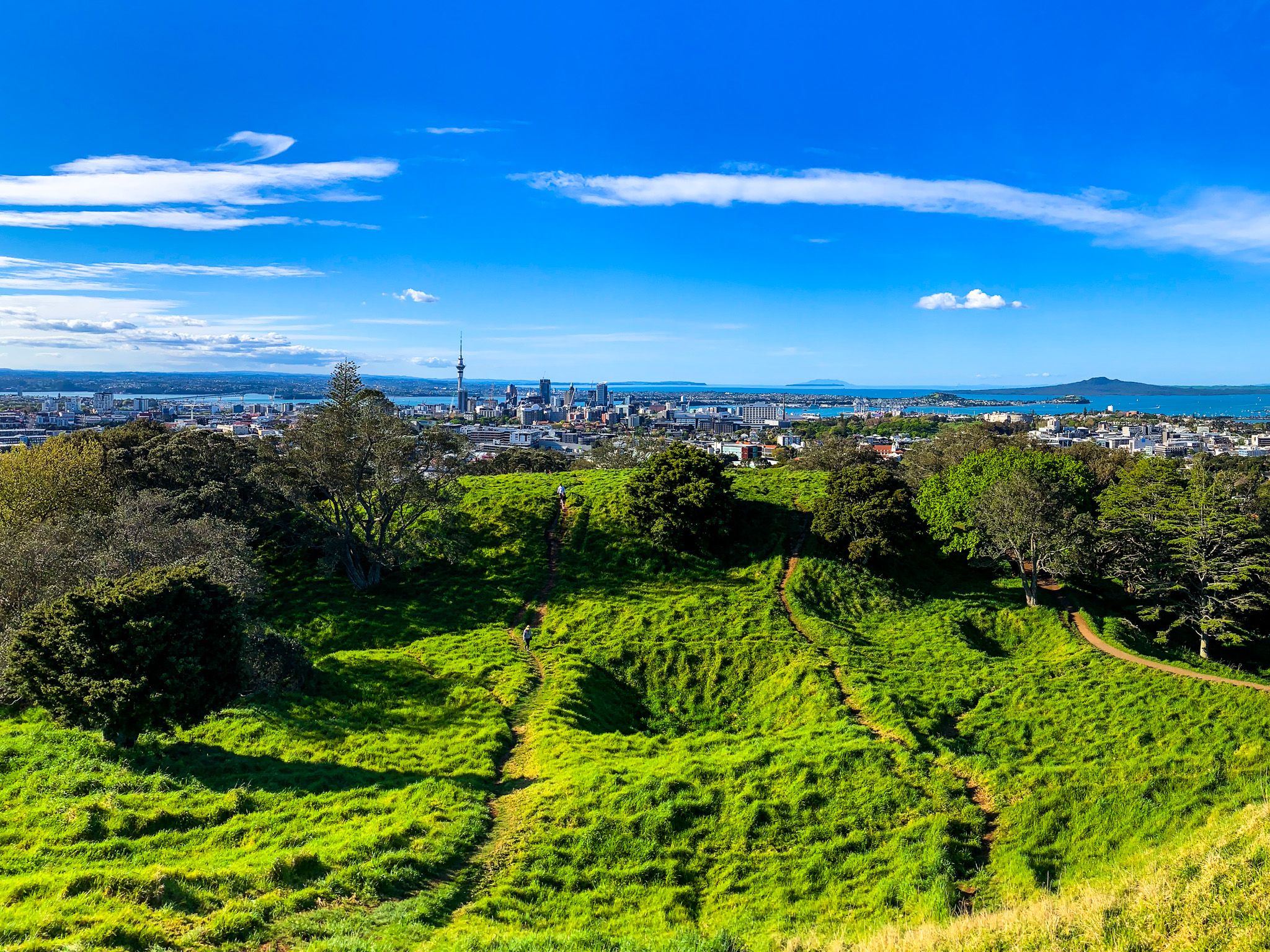
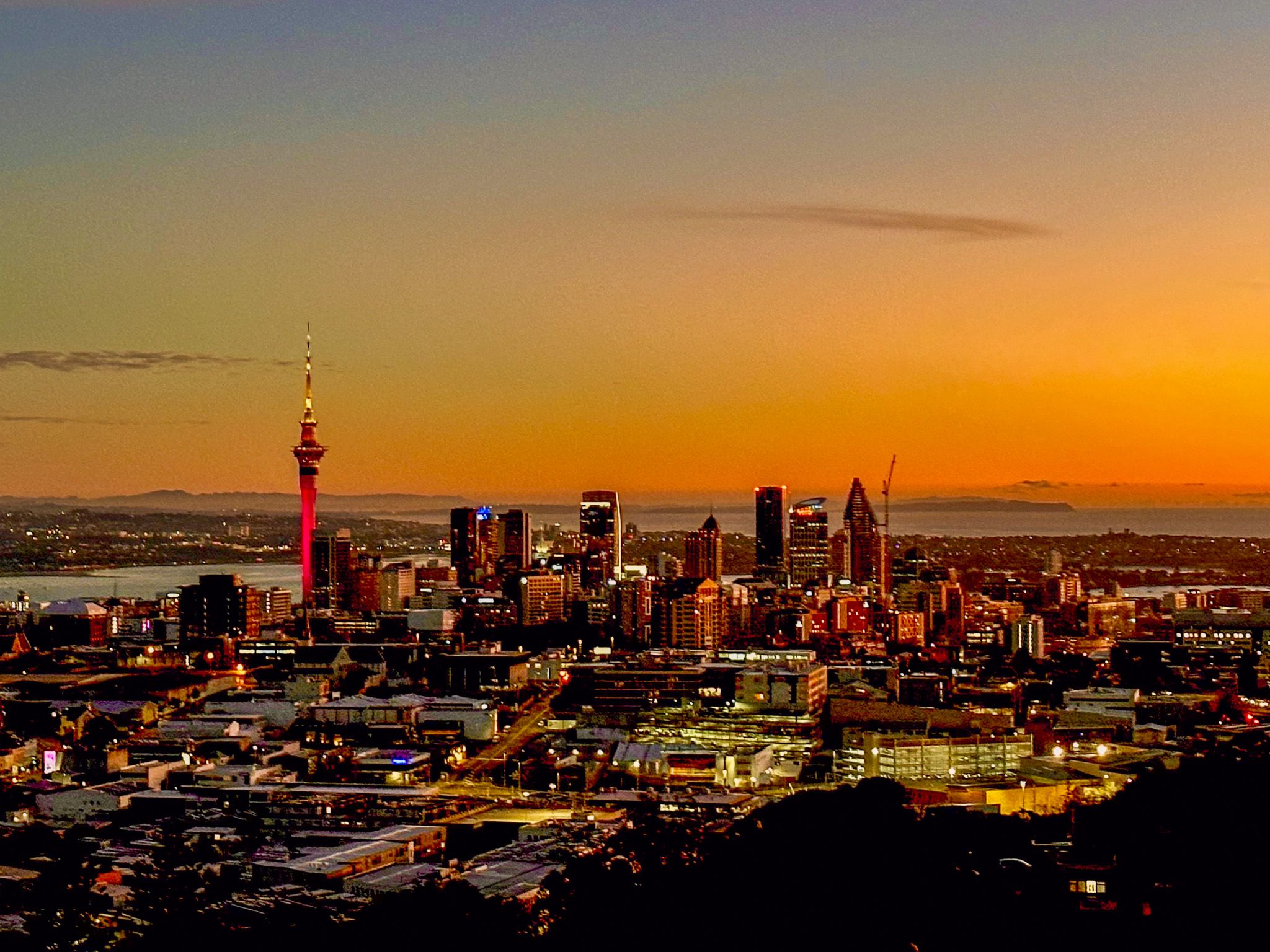
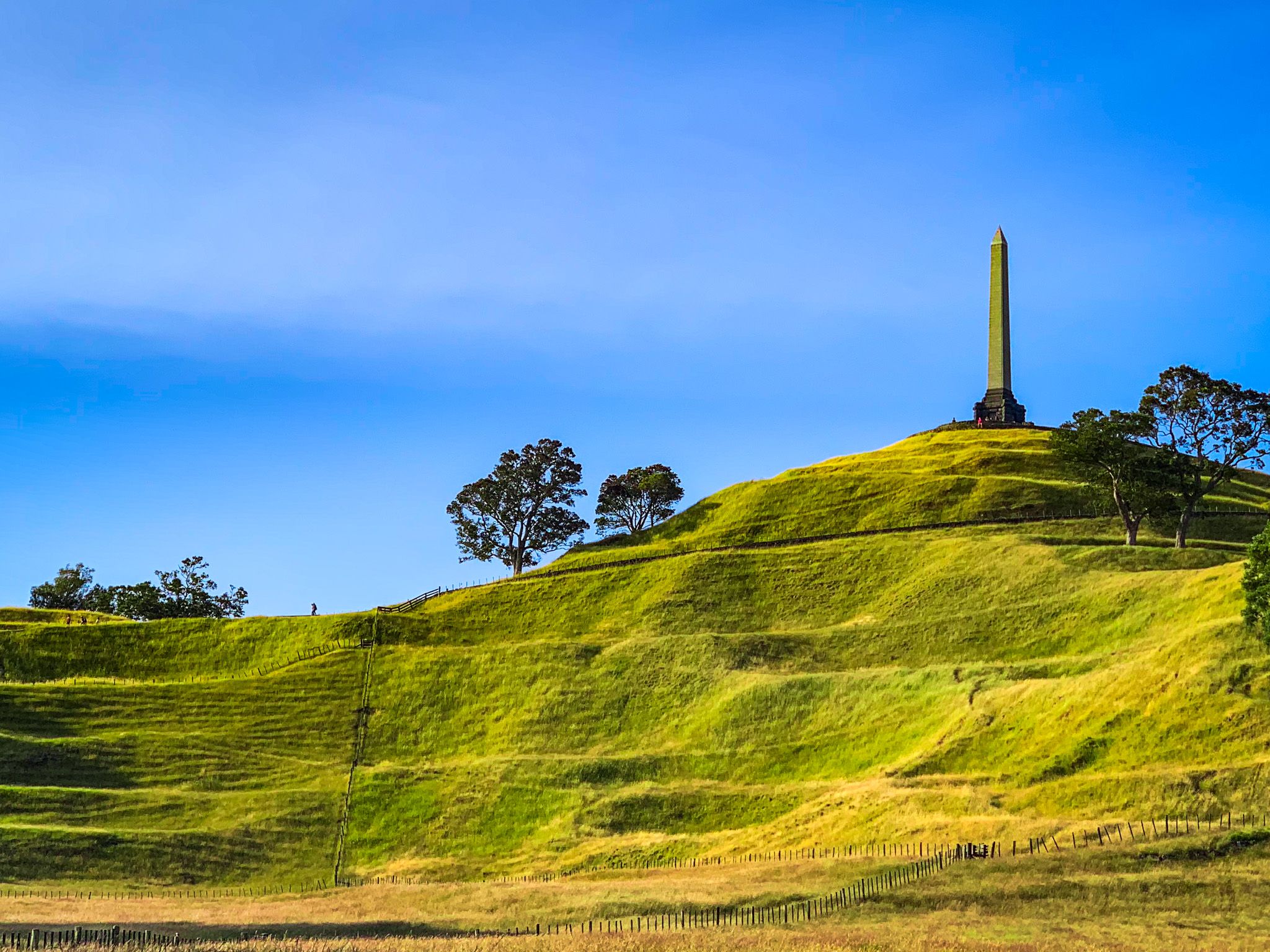
The central city is located on the Tāmaki Isthmus, a volcanic field between the Waitematā Harbour and Manukau Harbour. The city has 53 volcanoes, with ages ranging from a few hundred years to about 200,000 years. Despite urban development, around 40 of these volcanoes have been preserved, including significant maunga (mountains) that were once pā sites. These maunga are now public parks, with Mt Eden Maungawhau offering the best panoramic views. Other notable maunga include Ōrakei Basin, Auckland Domain Pukekawa, Mt Victoria Takarunga in Devonport, Cornwall Park Maungakiekie, Ōwairaka Mt Albert, Maungarei Mt Wellington and Māngere Mountain. Sunrise and sunset are popular times to walk up these maunga.
Regional Parks and Walking Tracks
Beyond city parks, Auckland features 28 larger regional parks along the coast and in the Waitākere and Hunua Ranges. These parks often include self-contained campsites and combine walking tracks with regenerating forests, working farms, and beautiful beaches.
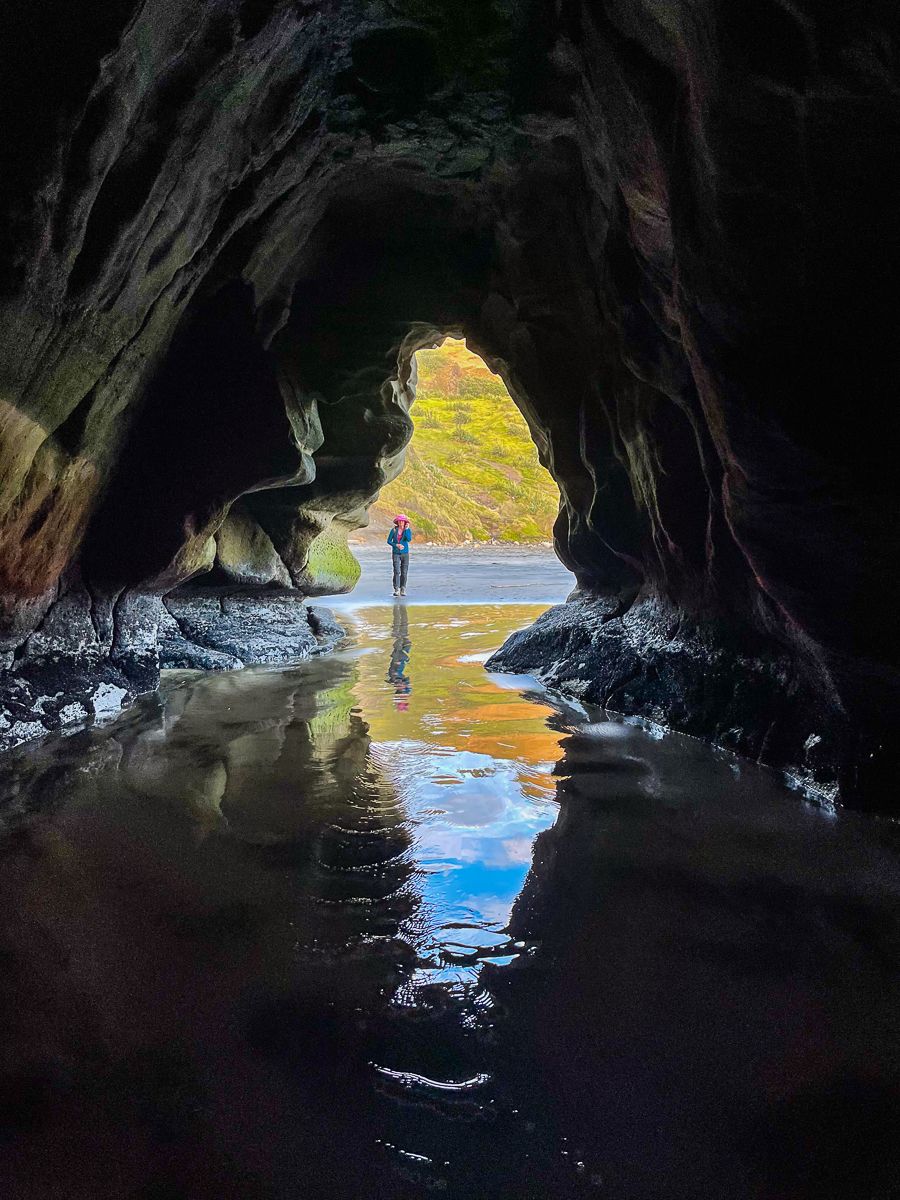
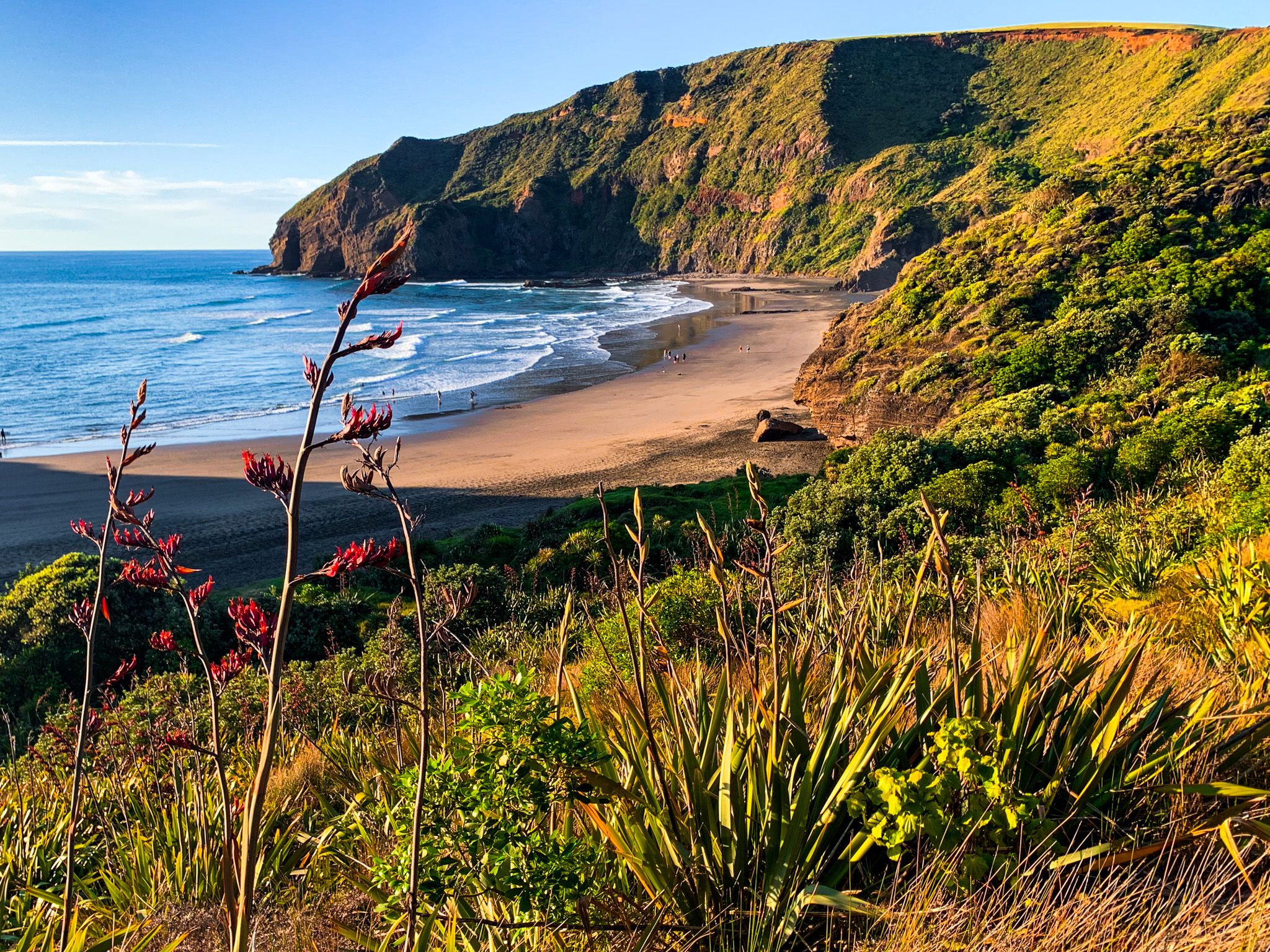
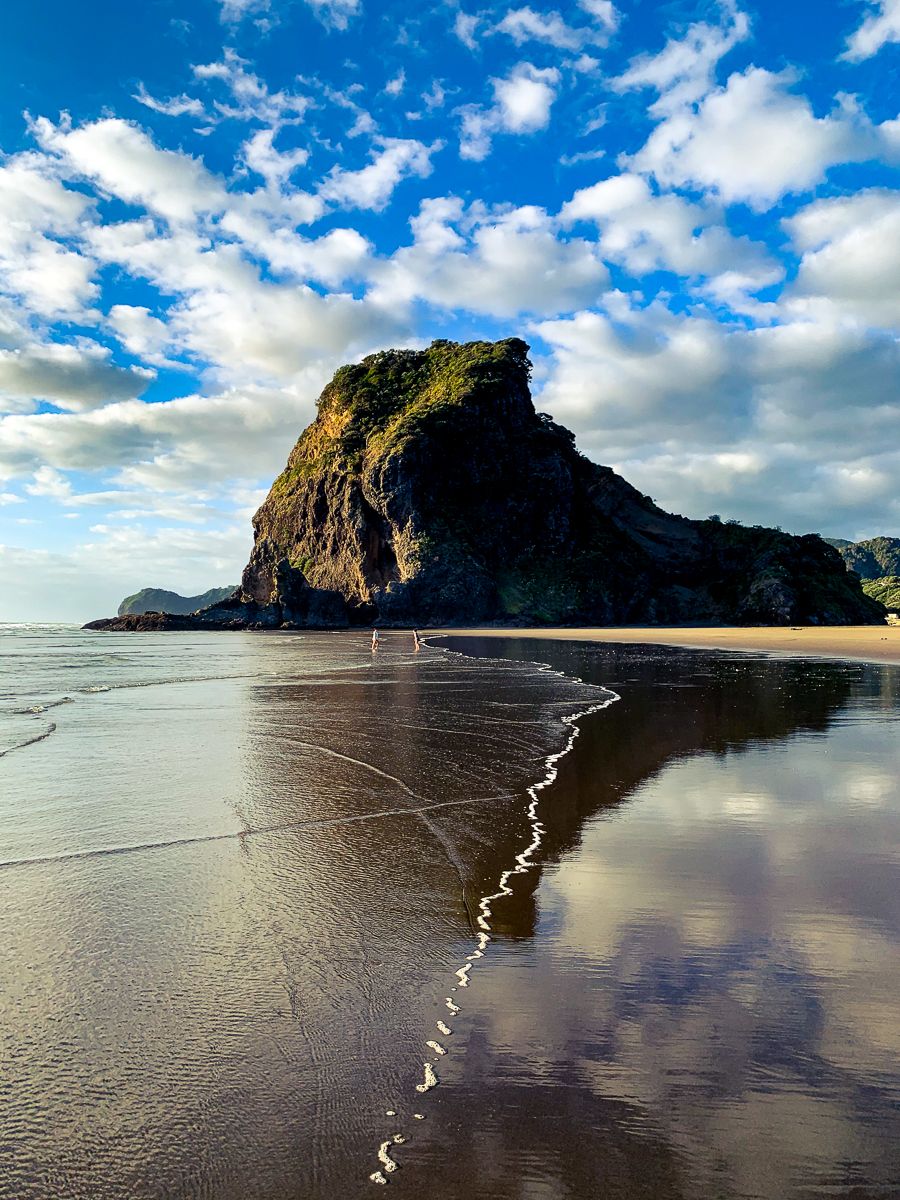
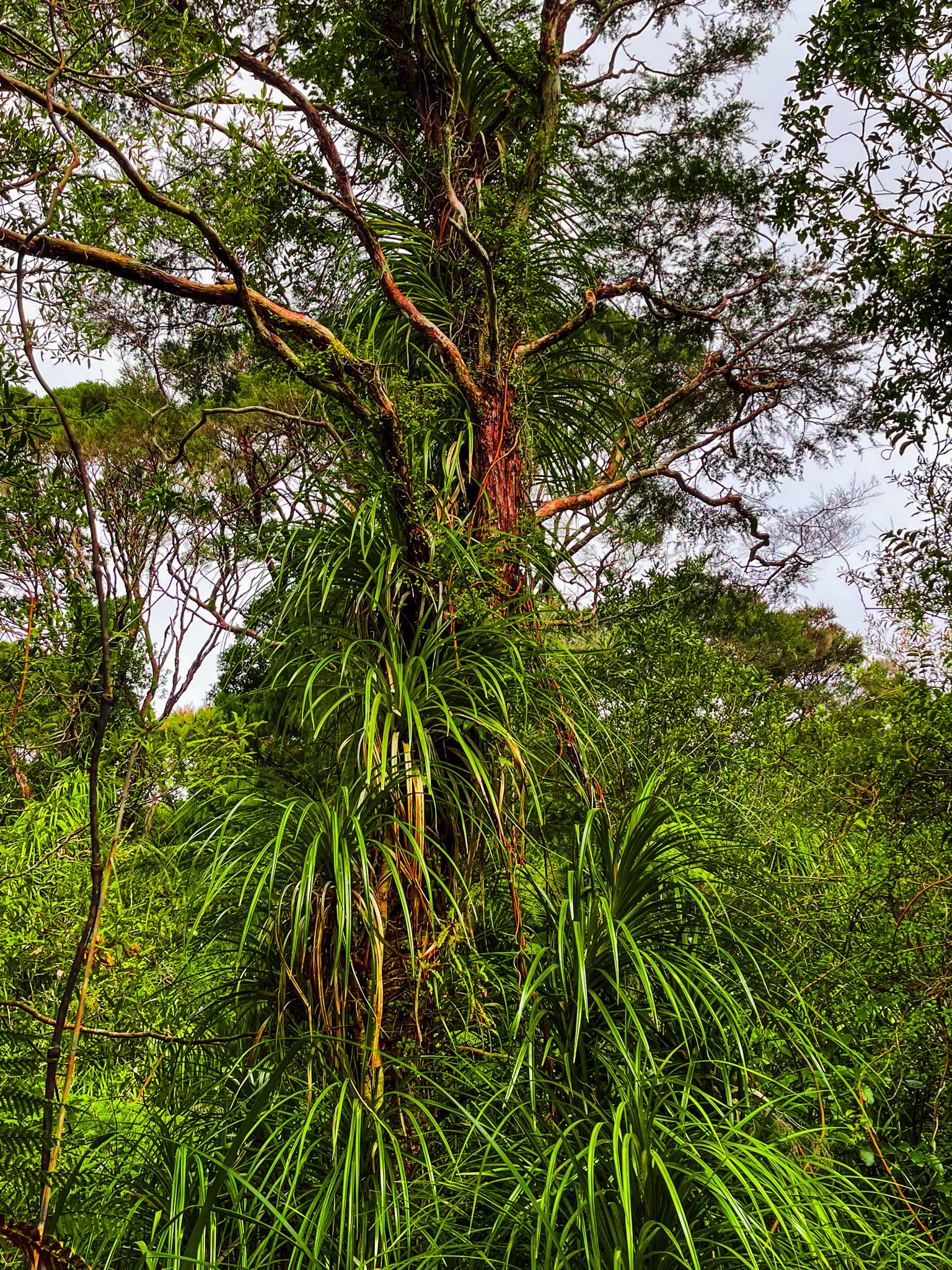
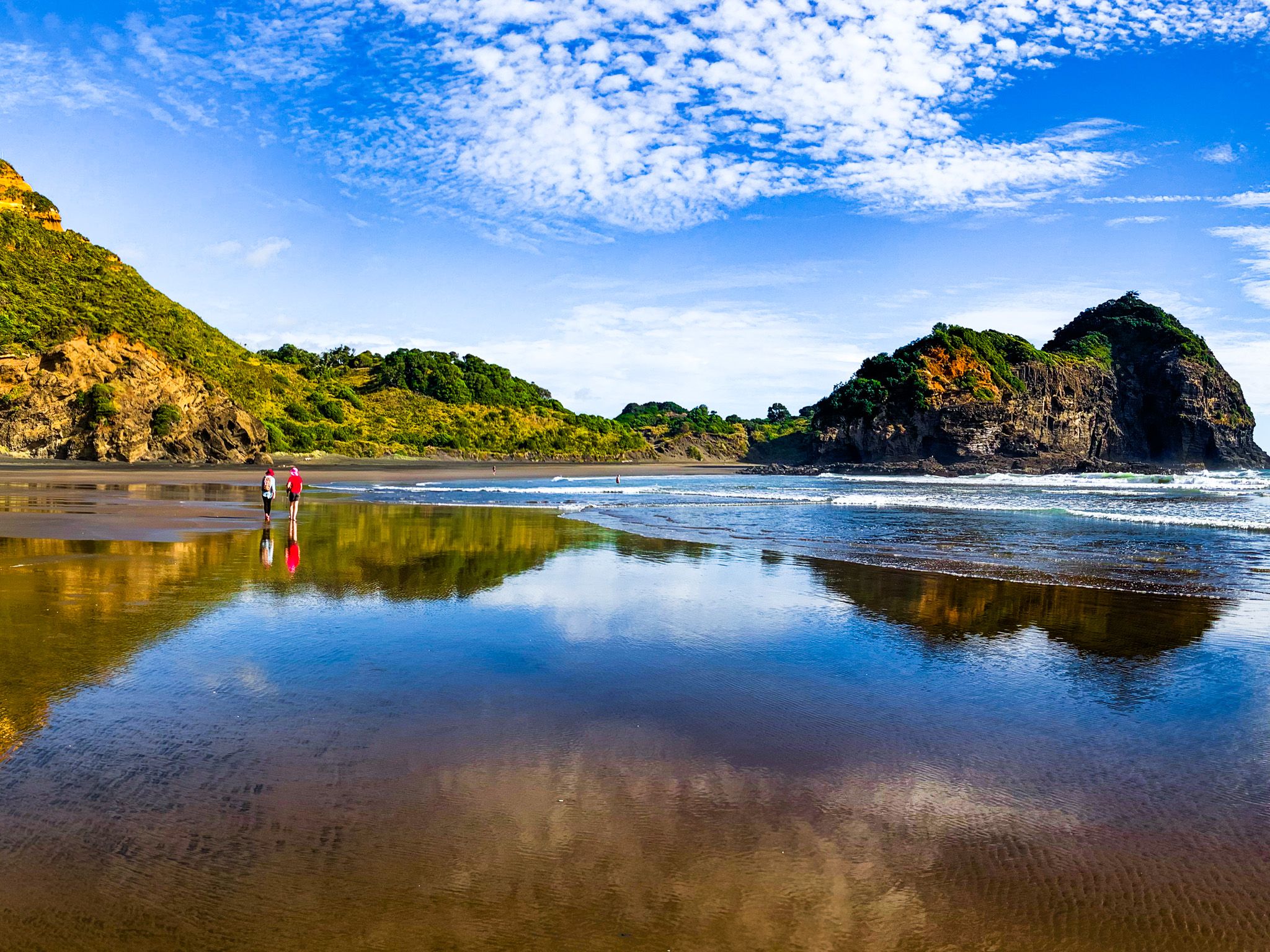
text is the largest, featuring Pacific Coast black-sand surf beaches such as Whatipu, Karekare, Piha, Te Henga (Bethells Beach), and Muriwai Beach. Lesser-known beaches like Whites Beach, Anawhata, and O’Neill Bay require a walk to access. The Waitākere Ranges offer excellent walking tracks, including the Omanawanui Track, Comans Track, and Mercer Bay Loop. Forest tracks like Cascade Kauri, Karamatura Track, and Kitekite Falls are also recommended.
North Shore and Coastal Walks
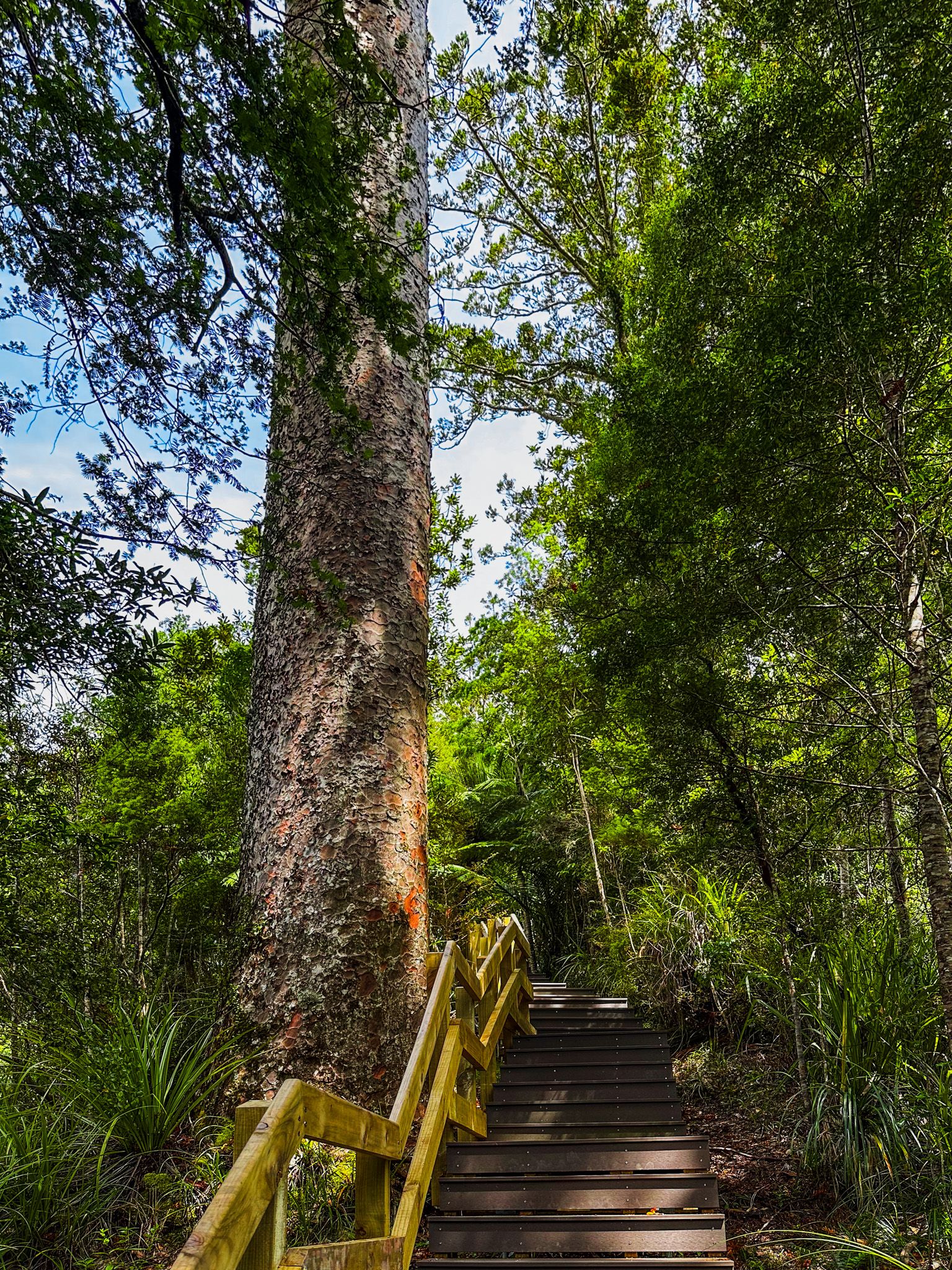
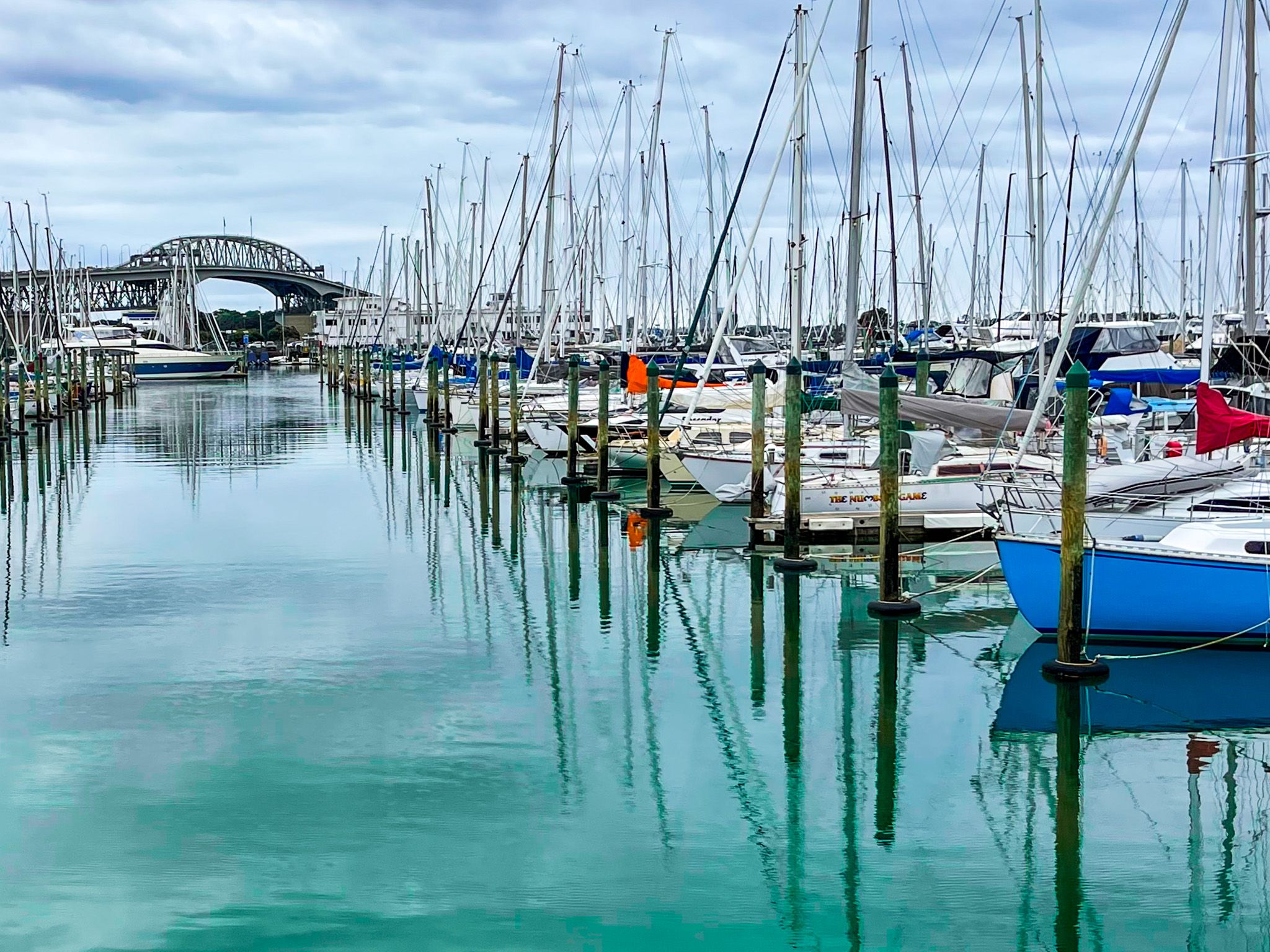
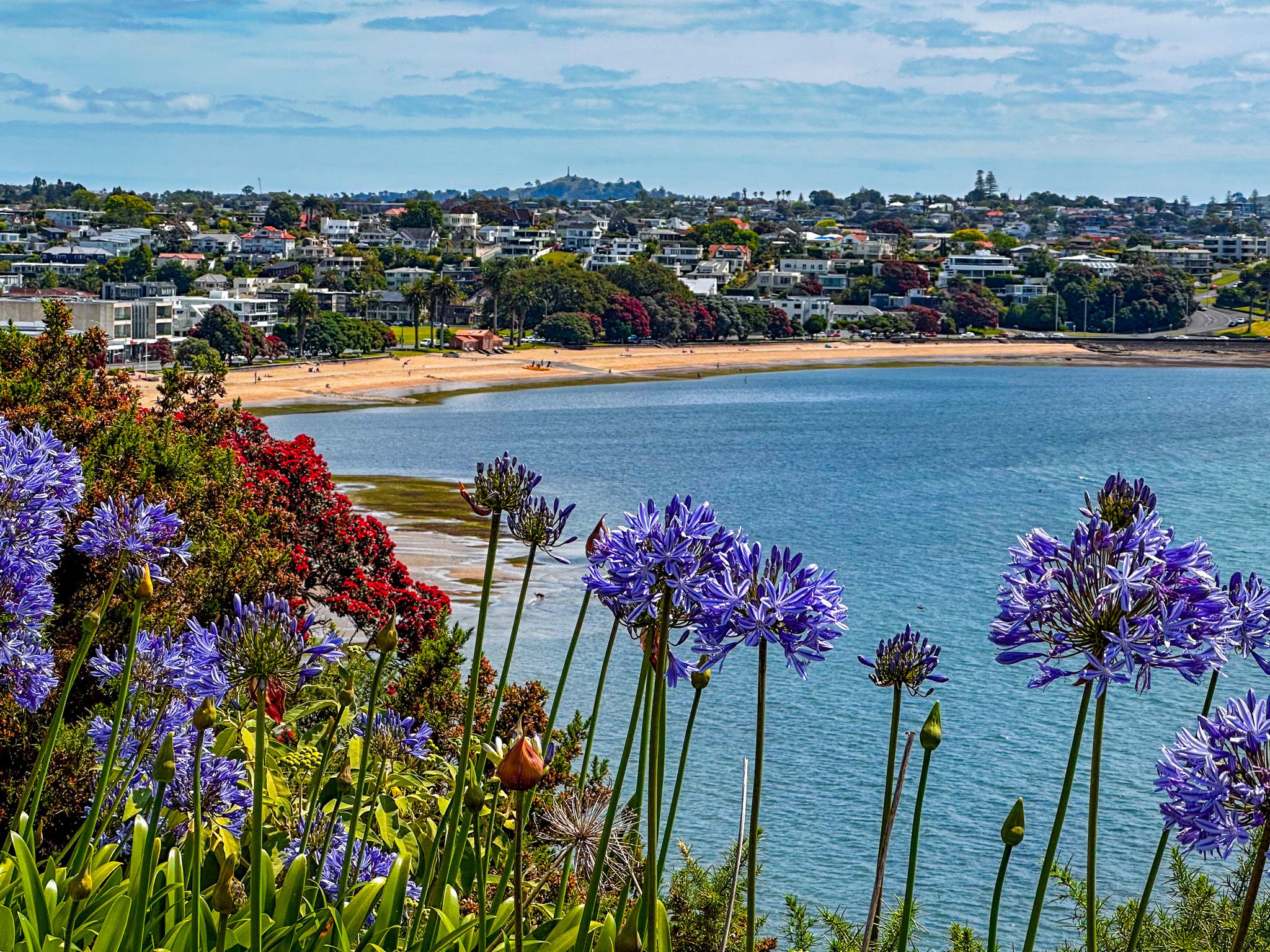
North of the Harbour Bridge and Waitematā Harbour, the North Shore features numerous beaches and forest parks. The North Shore Coastal Walk, part of Te Araroa, stretches 22 km from Devonport to Long Bay, showcasing beaches, rocky shorelines, and cliffs. This area is easily accessible via public transport. Forest parks such as Kauri Glen Reserve, Kauri Point Centennial Park, and Chatswood Reserve offer short walks through native forests, including a grove of 400-year-old kauri in Chatwood.
For a more leisurely experience, you can walk or bike from Downtown Auckland along Tamaki Drive to Achilles Point or around the northwest side of Māngere along the Manukau Harbour.
Waterfalls and Islands
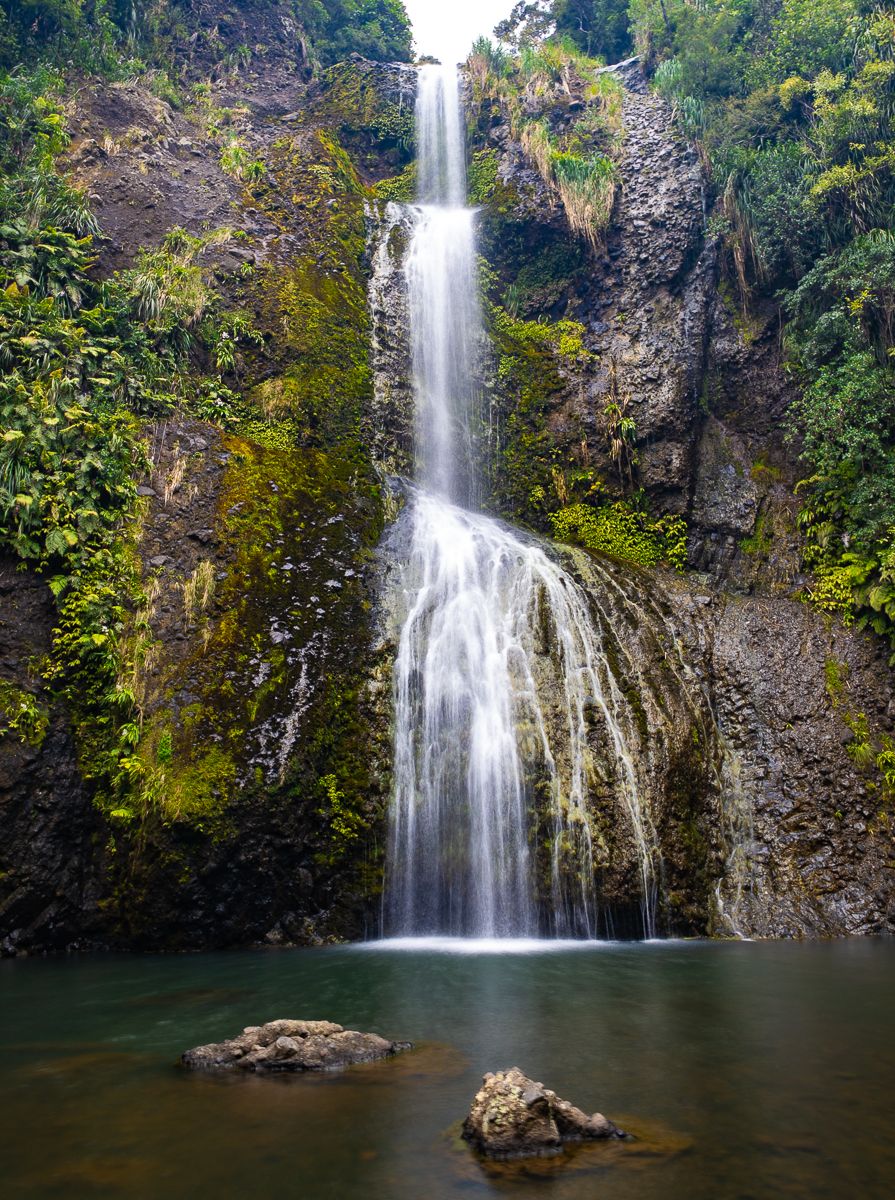
Auckland is surrounded by waterfalls, including the 5-metre Oakley Falls near Western Springs, accessible via the Oakley Creek Te Auaunga Walkway in Waterview. The Waitākere Ranges feature waterfalls like Karekare Falls, Kitekite Falls, Fairy Falls, and the 85-metre Waitākere Falls. Hunua Falls in the Hunua Ranges is another popular spot, with the Cossey Massey Loop track nearby.
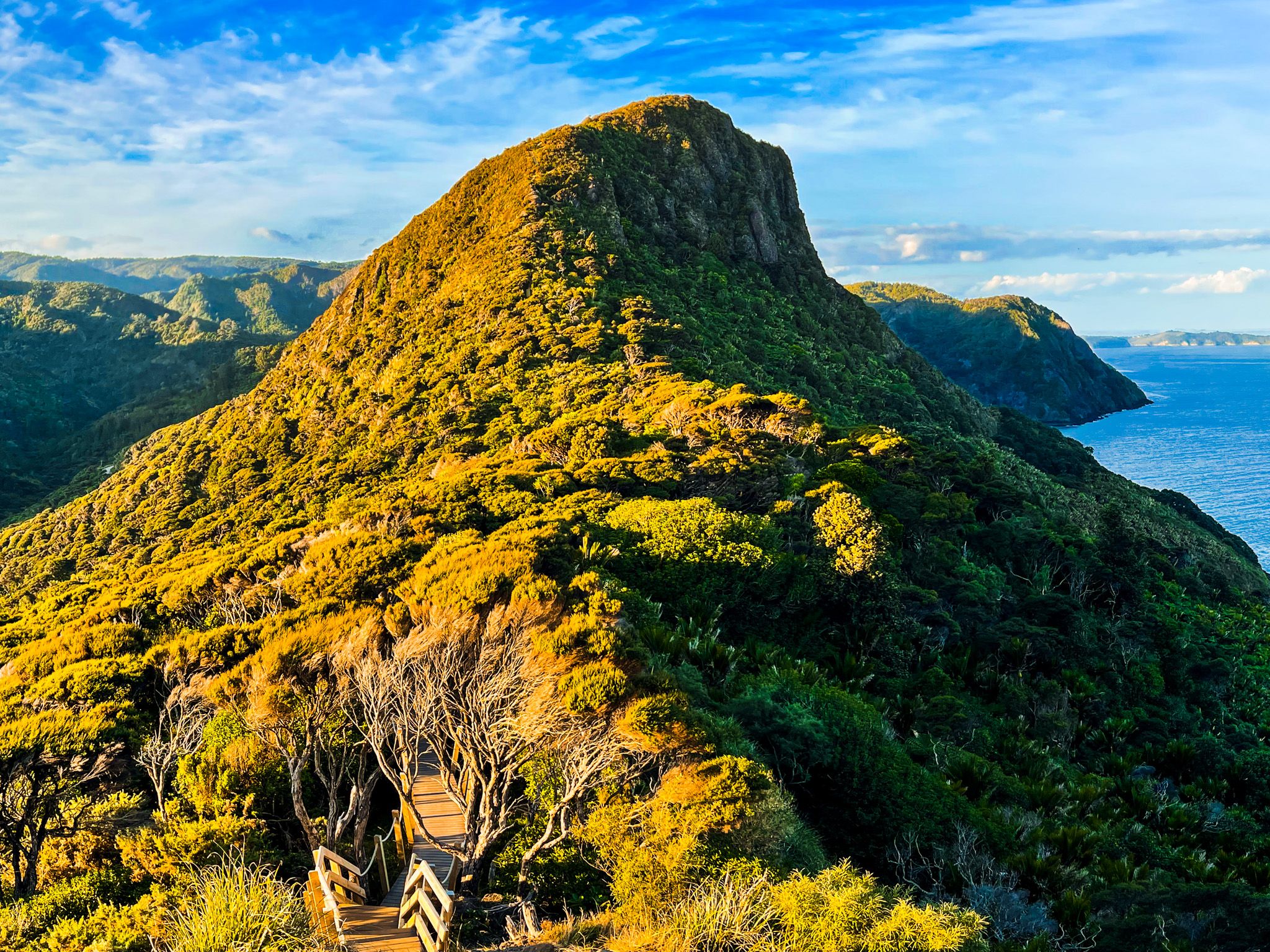
The Hauraki Gulf on the north side of Auckland provides island adventures, including the Tiritiri Matangi bird sanctuary, accessible by a one-hour ferry ride from Downtown. Rangitoto, the youngest volcanic cone, separates the Waitematā Harbour from the Hauraki Gulf. Waiheke Island, a 40-minute boat ride away, is known for its beaches, wineries, and the Te Ara Hura coastal walk. Aotea Great Barrier Island, accessible by a 30-minute flight or a four-hour boat ride, has remote surf beaches, the multi-day Aotea Track, and a regenerating kauri forest.
Dining and Leisure
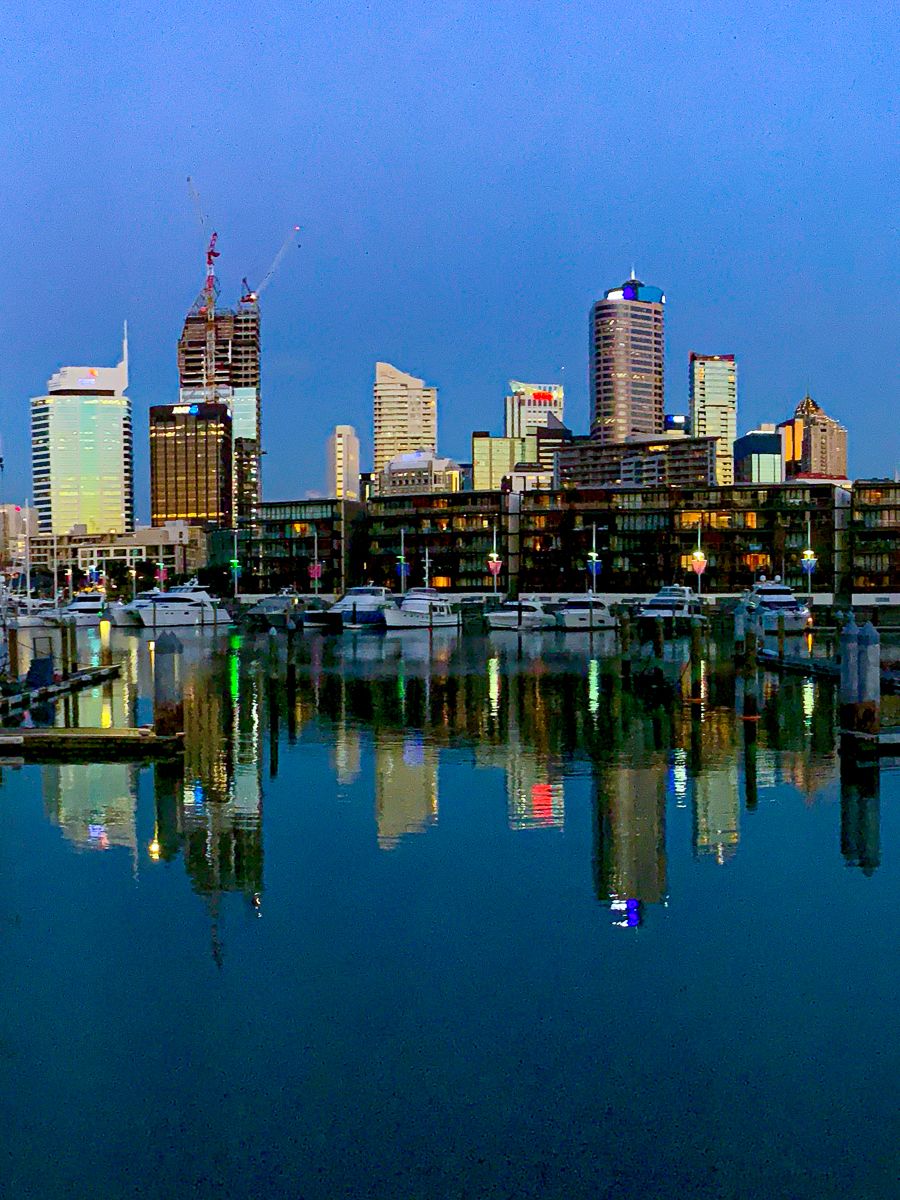
Downtown has numerous cafes, dining options, and nightlife, especially along the waterfront from Britomart to the Wynyard Quarter. In addition, Auckland's inner-city suburbs like Parnell, Mt Eden, Grey Lynn, and Ponsonby are home to numerous cafes and eateries. Beach suburbs such as Mission Bay, Devonport, and Takapuna also provide dining and leisure options.
Getting around Auckland
Auckland is easily accessible by air, with Auckland Airport serving as the main national and international gateway. From the airport, it is 40 minutes by road to the city.
The city is well-connected by public transport, including buses, trains, and ferries, and most areas around the central city are easy to reach without a vehicle. However, to get the best out of a trip to Auckland, have a car. This gives you access to the more rural and remote coastal areas and the regional parks.