Mount Eden / Maungawhau: Auckland’s Volcanic High Point
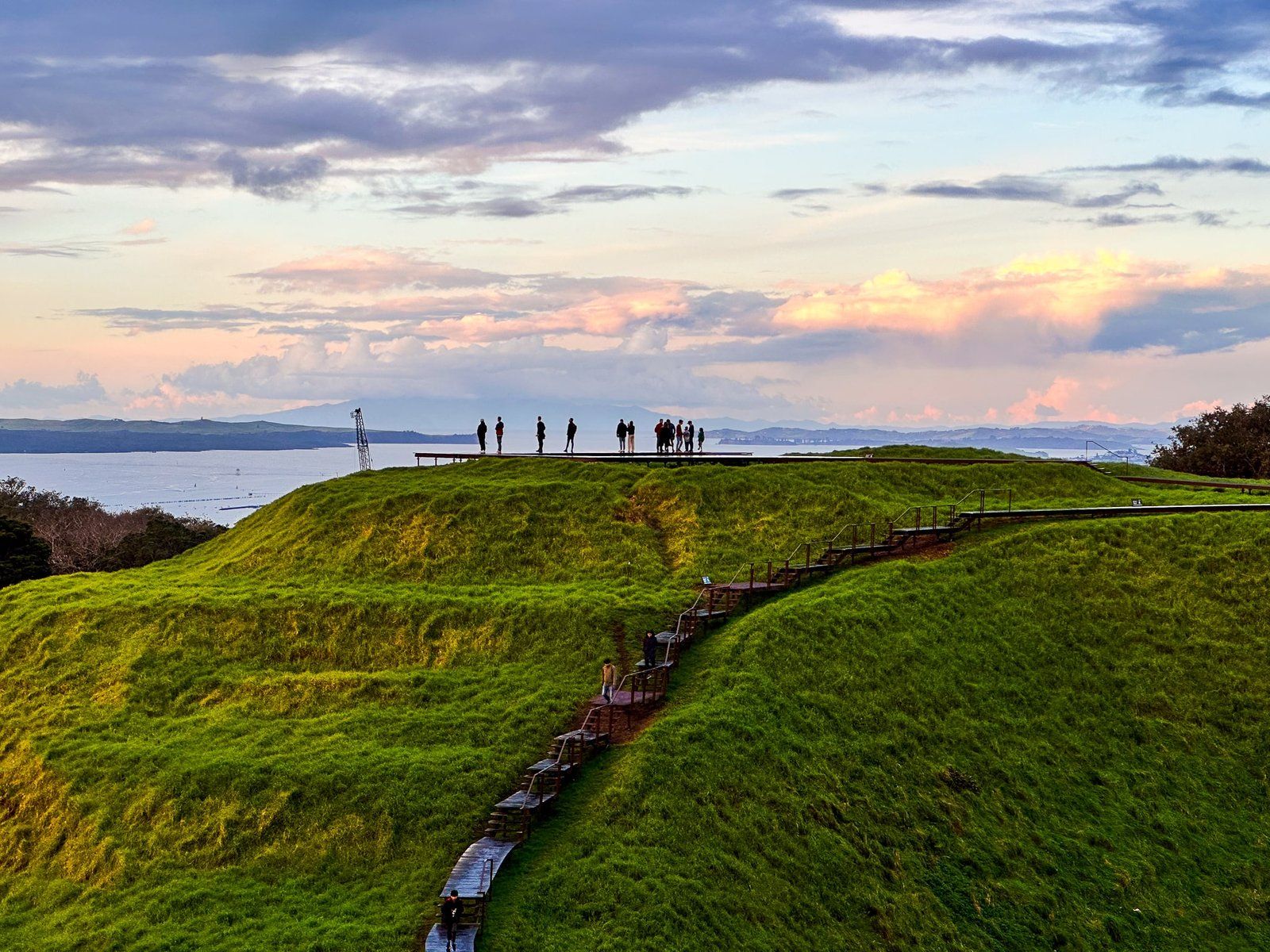
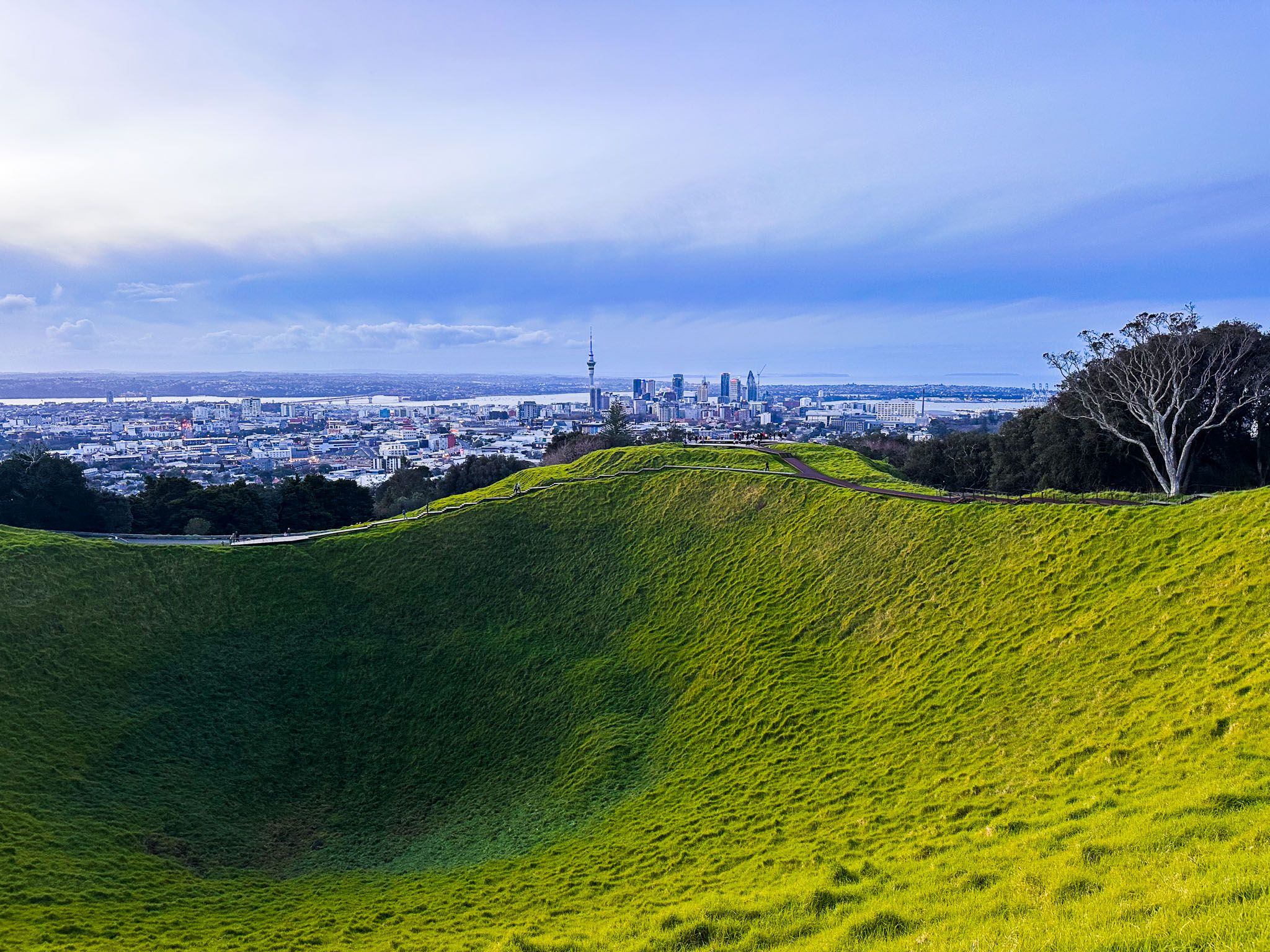
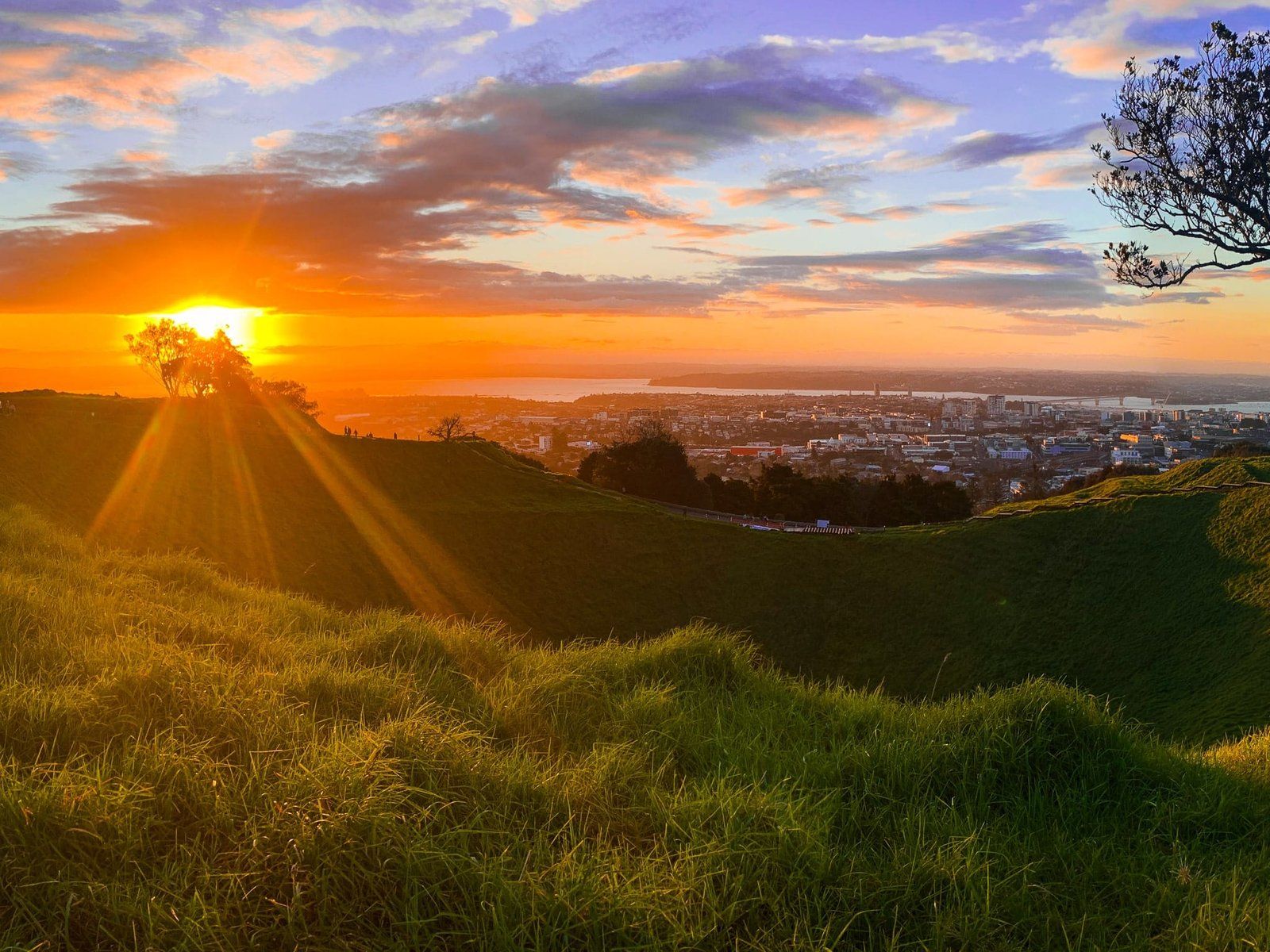
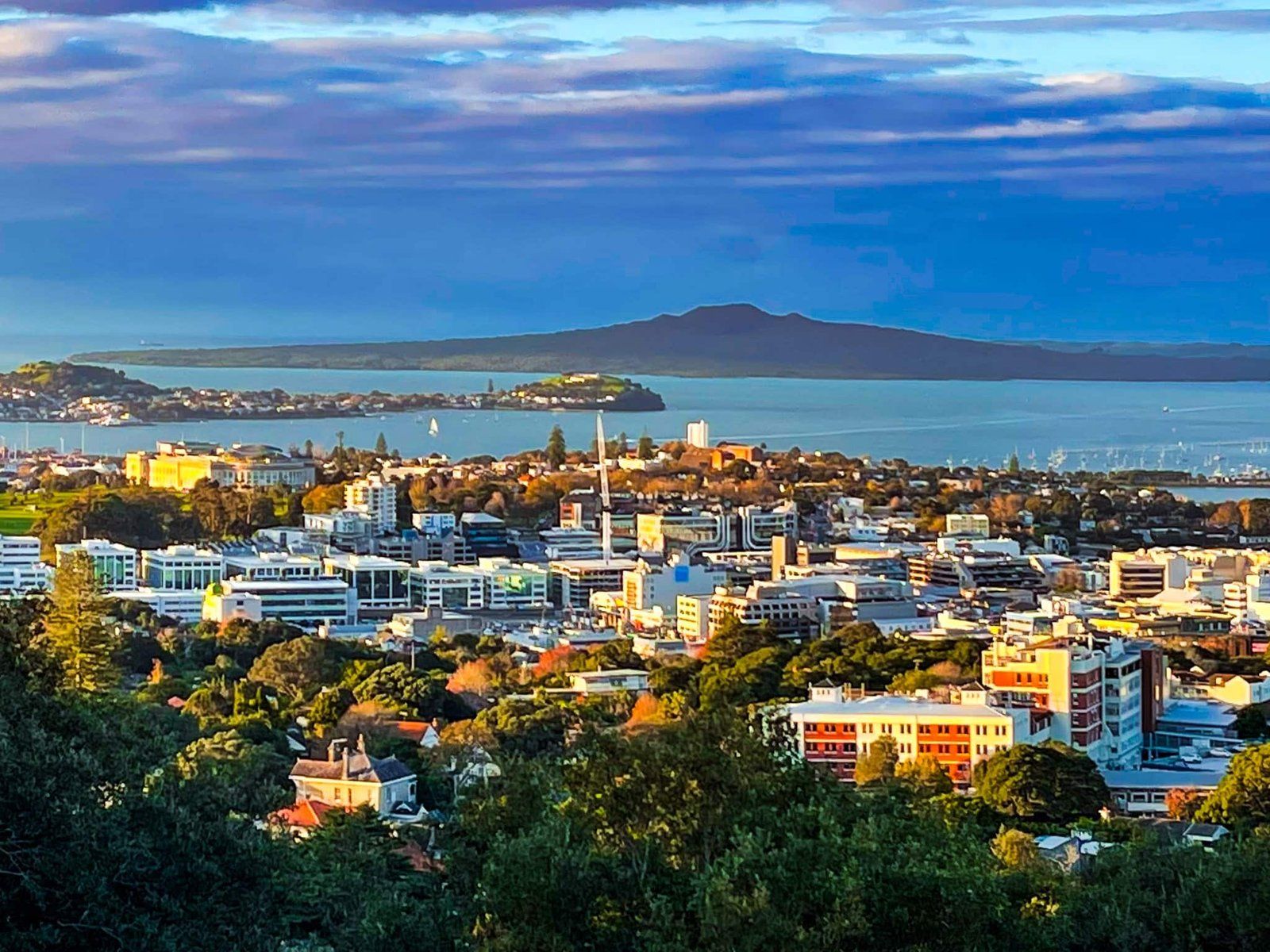
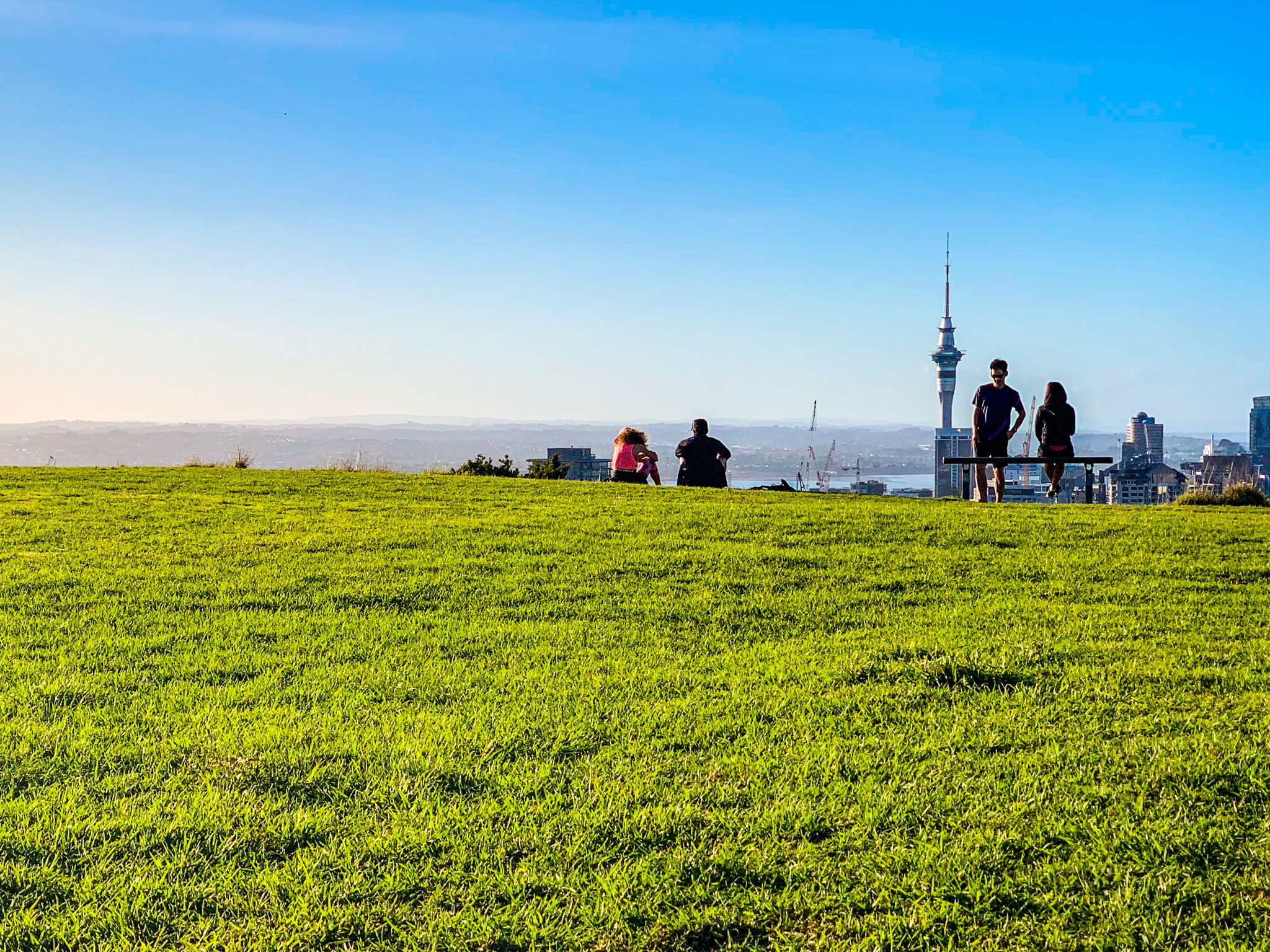
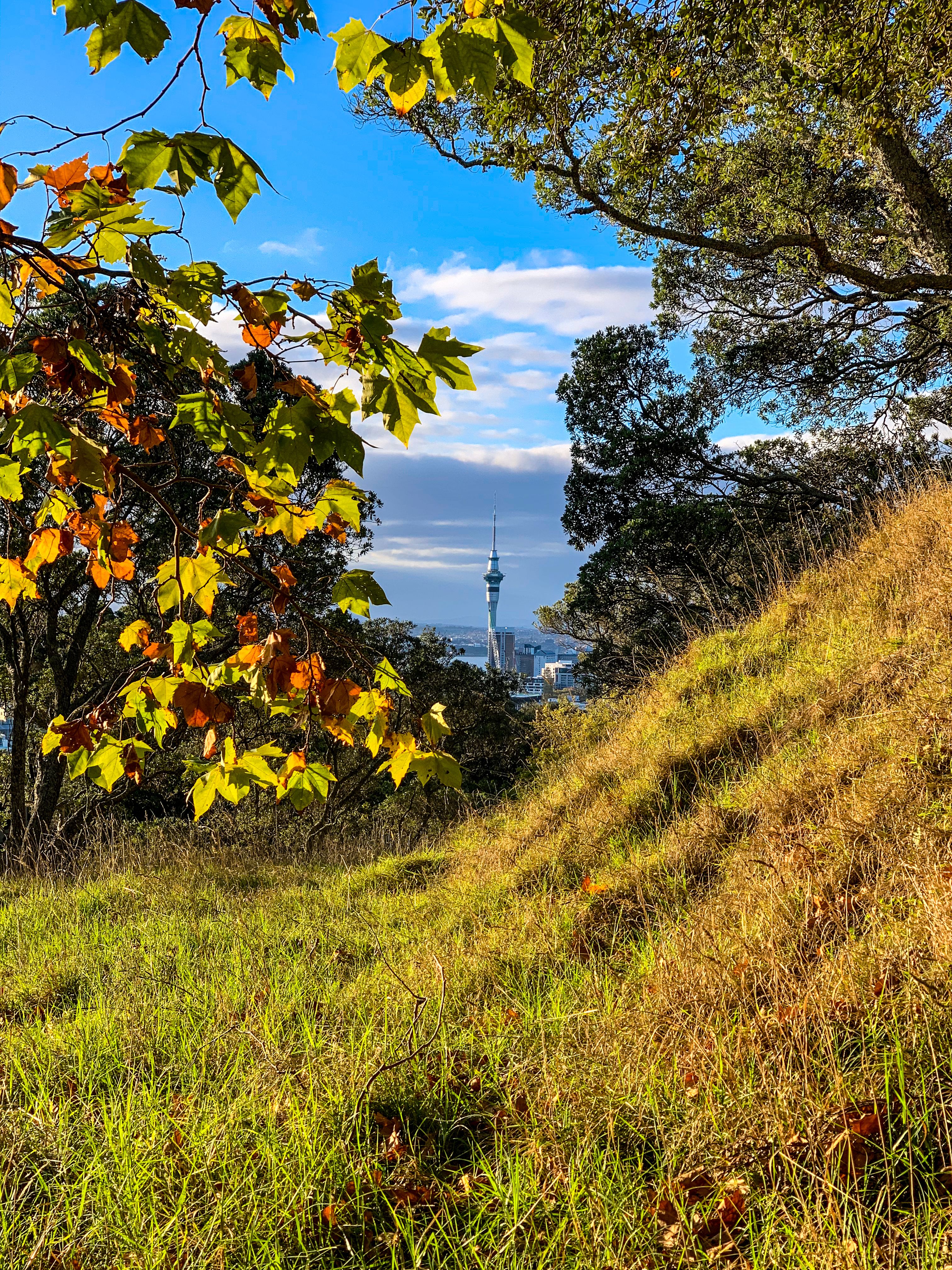
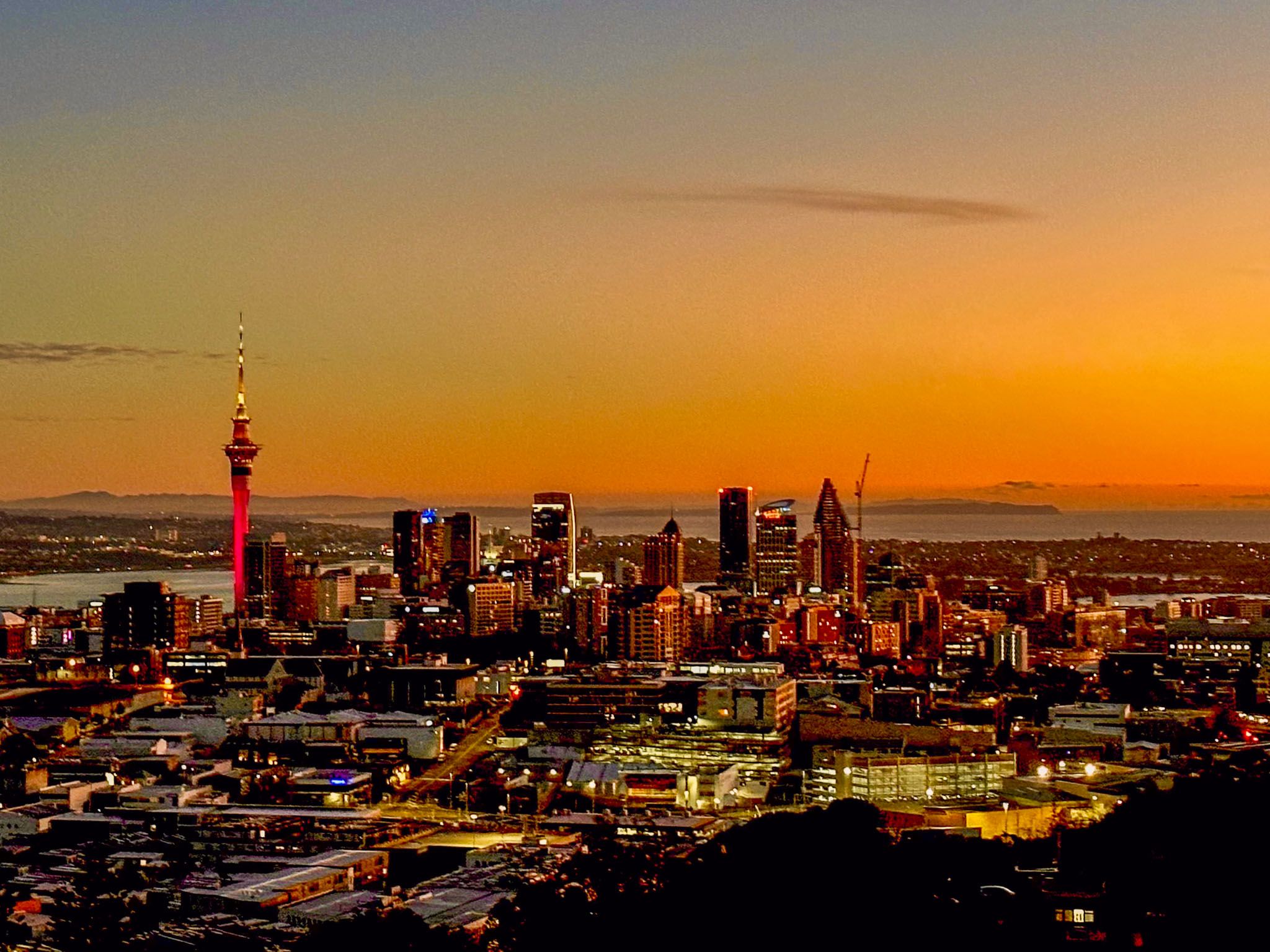
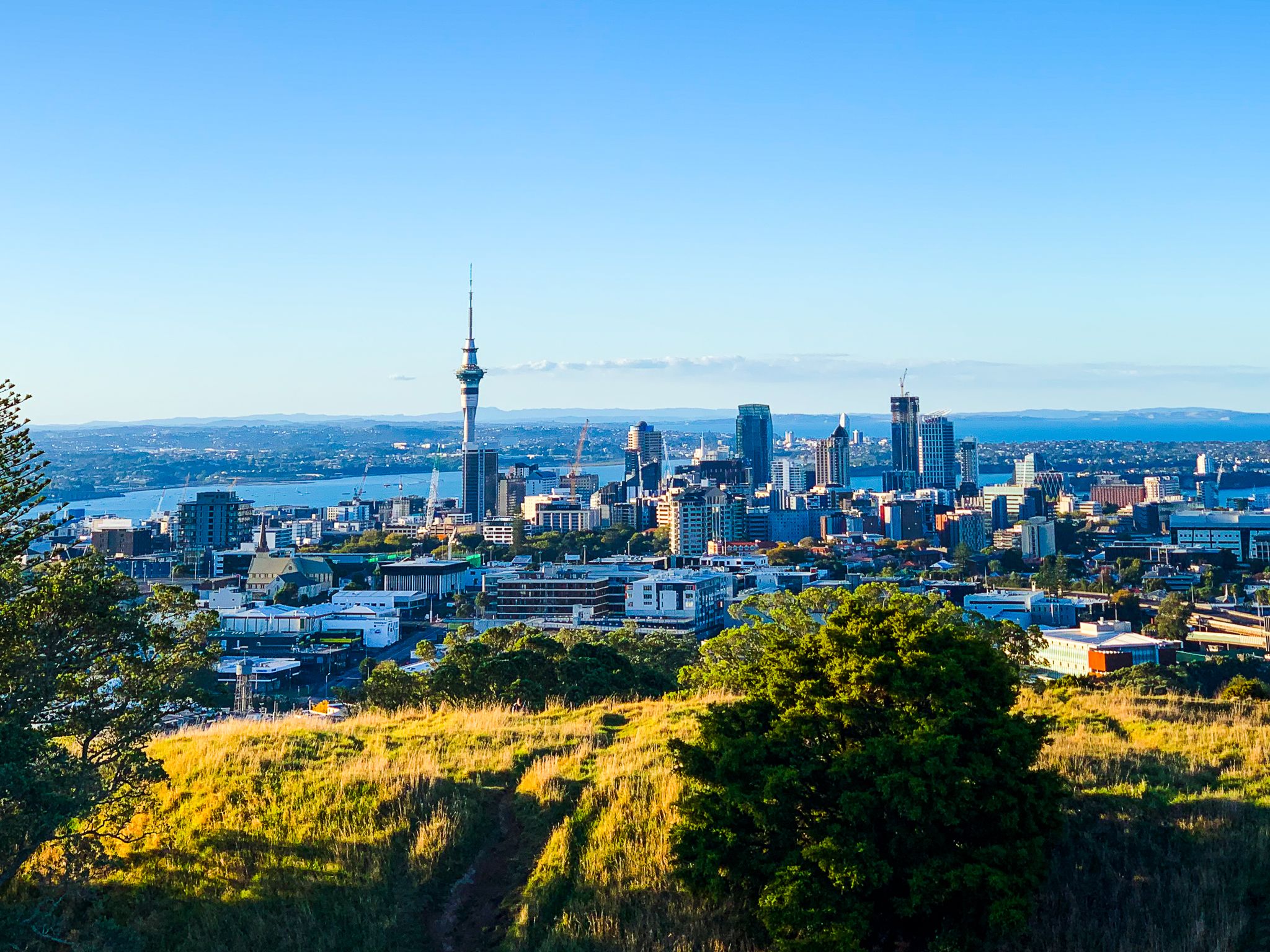
Just 2 km south of Downtown Auckland, Mount Eden / Maungawhau rises 196 metres above the city, the highest natural point on the Tāmaki Makaurau isthmus. This extinct scoria cone is one of the most prominent in the Auckland volcanic field, offering sweeping 360-degree views that stretch to Rangitoto, the Waitākere Ranges, and on clear days, the Coromandel Peninsula and Aotea / Great Barrier Island. From its summit, you get both a commanding sense of the region’s volcanic past and a clear view of the surrounding urban landscape.
A Window into Auckland’s Volcanic Origins
Maungawhau erupted around 28,000 years ago, forming a large tuff crater now 50 metres deep, with visible layers of scoria and ash still exposed in places. It’s one of over 50 volcanoes in the Auckland volcanic field, all of which are monogenetic, meaning each erupted only once. The lava flows from Maungawhau extended northward and helped shape what is now Grafton Gully. Geologically, it provides an easily accessible cross-section of the region’s basaltic history.
Cultural Heritage and Colonial Changes
Maungawhau, meaning “the mountain of the whau tree,” was a significant pā site for local Māori, particularly Waiohua and later Ngāti Whātua, who occupied and cultivated the maunga for generations. Terraces, kūmara storage pits, and defensive earthworks are still clearly visible, marking its use as a fortified village. The site was strategically important due to its expansive views over the surrounding isthmus. The crater itself was considered tapu and used for ceremonial purposes. However, the pā was abandoned around the 1750s following inter-iwi conflict.
After European arrival in the 1800s, Maungawhau was cleared and used for grazing. In 1879, it was designated a public reserve as the suburb of Mount Eden expanded around its base. Infrastructure followed, including water reservoirs built into the side of one of the craters, a quarry on the eastern flank (now Eden Garden), and a summit road, which remained open to vehicles until the 2010s. Cattle grazed on the summit until 2009.
Enhancing the Visitor Experience
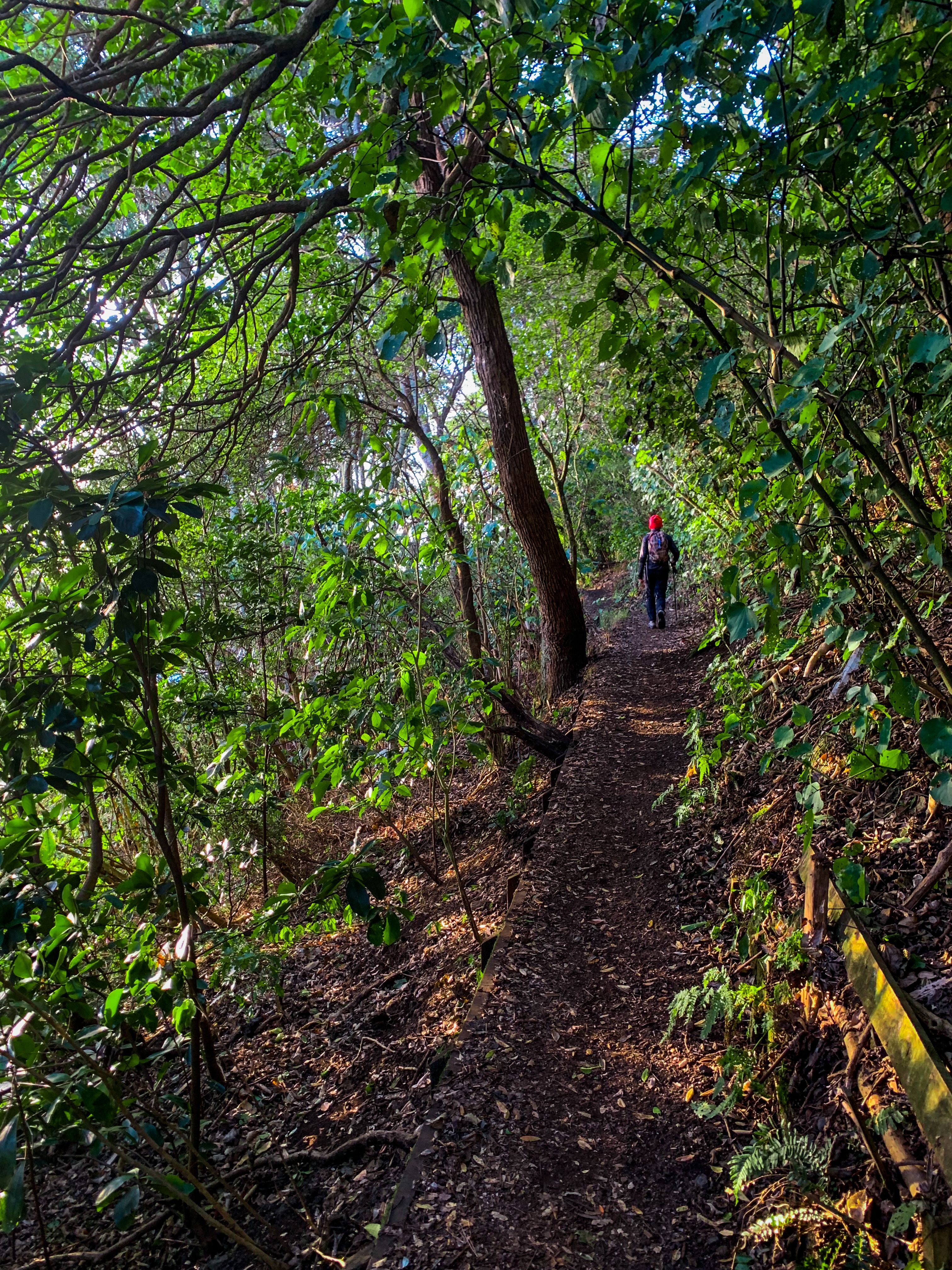
Today, Maungawhau is co-governed by the Tūpuna Maunga Authority, which manages Auckland’s ancestral volcanic cones in partnership with mana whenua. The summit road is now closed to general vehicles, with upgraded walking tracks guiding visitors along ridge trails and through regenerating bush. Extensive native planting has been added along the southern and western flanks.
From Mount Eden Road, you can walk or drive to parking on Puhi Huia Road on the maunga. At the top of the road, about halfway to the summit, you’ll find Te Ipu Kōrero o Maungawhau, a visitor centre and café with an exhibition that introduces the 14 Tūpuna Maunga of Auckland. Interpretation panels on site highlight the maunga’s geological and cultural significance, making it one of the best places to learn about Tāmaki Makaurau’s history.
To walk around the old access road on the maunga, plus a loop around the crater rim, takes about 45 minutes. Other walking tracks provide access to less obvious areas around the maunga, so it is worth taking some extra time to explore them. To the immediate north of the maunga is Tahaki Reserve, an attractive park that includes a playground.
The Suburb of Mount Eden
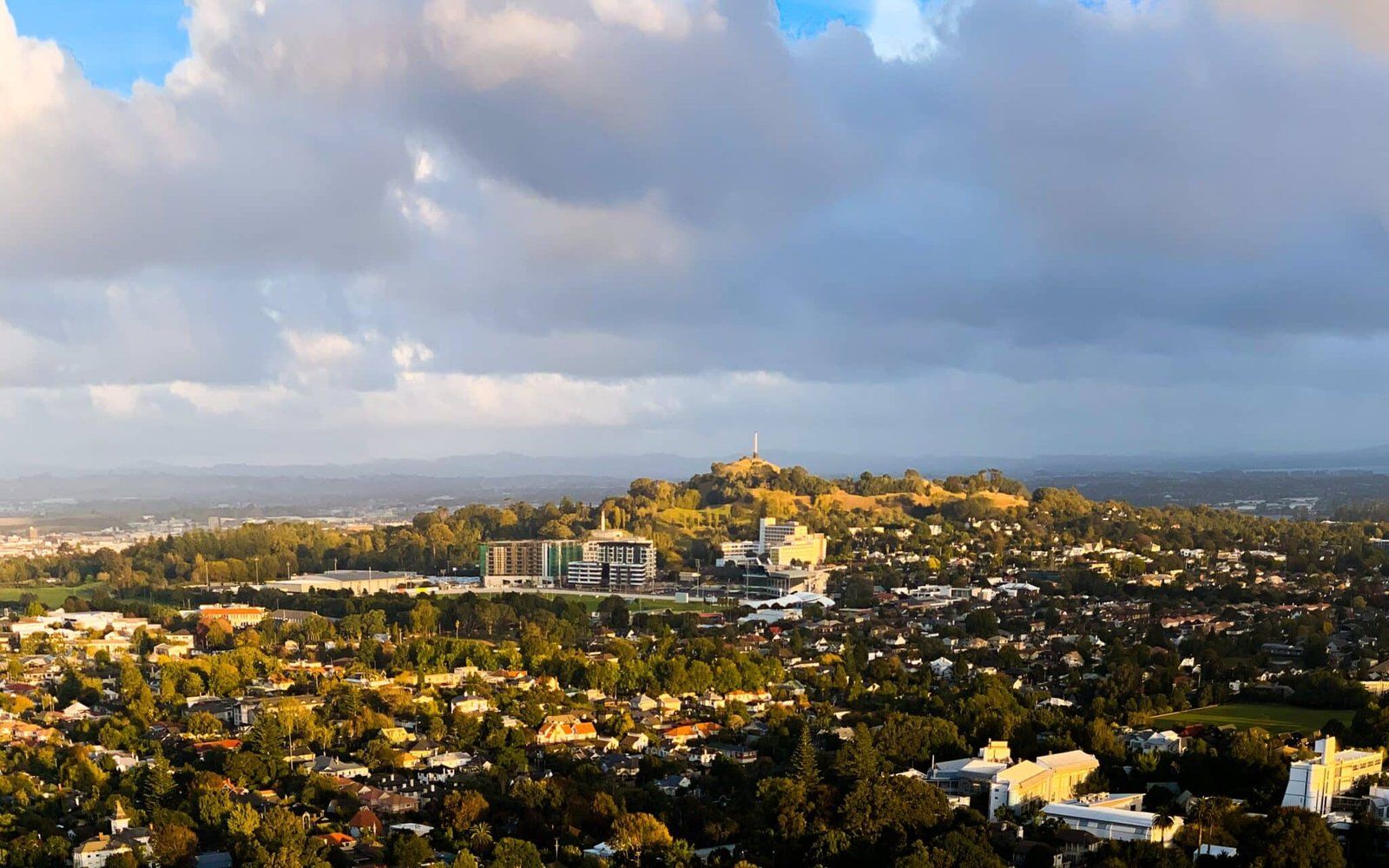
The surrounding suburb of Mount Eden grew around the base of the maunga in the mid to late 19th century, originally as a farming community and later a tram-connected residential neighbourhood. Today, it’s one of Auckland’s most characterful suburbs, known for its heritage villas, leafy streets, and independent cafés. The village centre on Mount Eden Road sits within easy walking distance of the maunga.
Getting There
Mount Eden / Maungawhau is easily accessible from Downtown Auckland via Symonds Street and Mt Eden Road. You can walk, or take a bus or train, or drive. The main entrance is at the northwest corner of the maunga from Mount Eden Road. Additional walking access points are available from Glenfell Place, Clive Road, Hillside Crescent, Batger Road and Owens Road. No public vehicles are permitted to the summit, but limited mobility access is available by arrangement.
Other maunga and parks to visit near Downtown include Albert Park, Maungakiekie / Cornwall Park, Western Springs, and Auckland Domain Pukekawa.