A Beach to Stop For
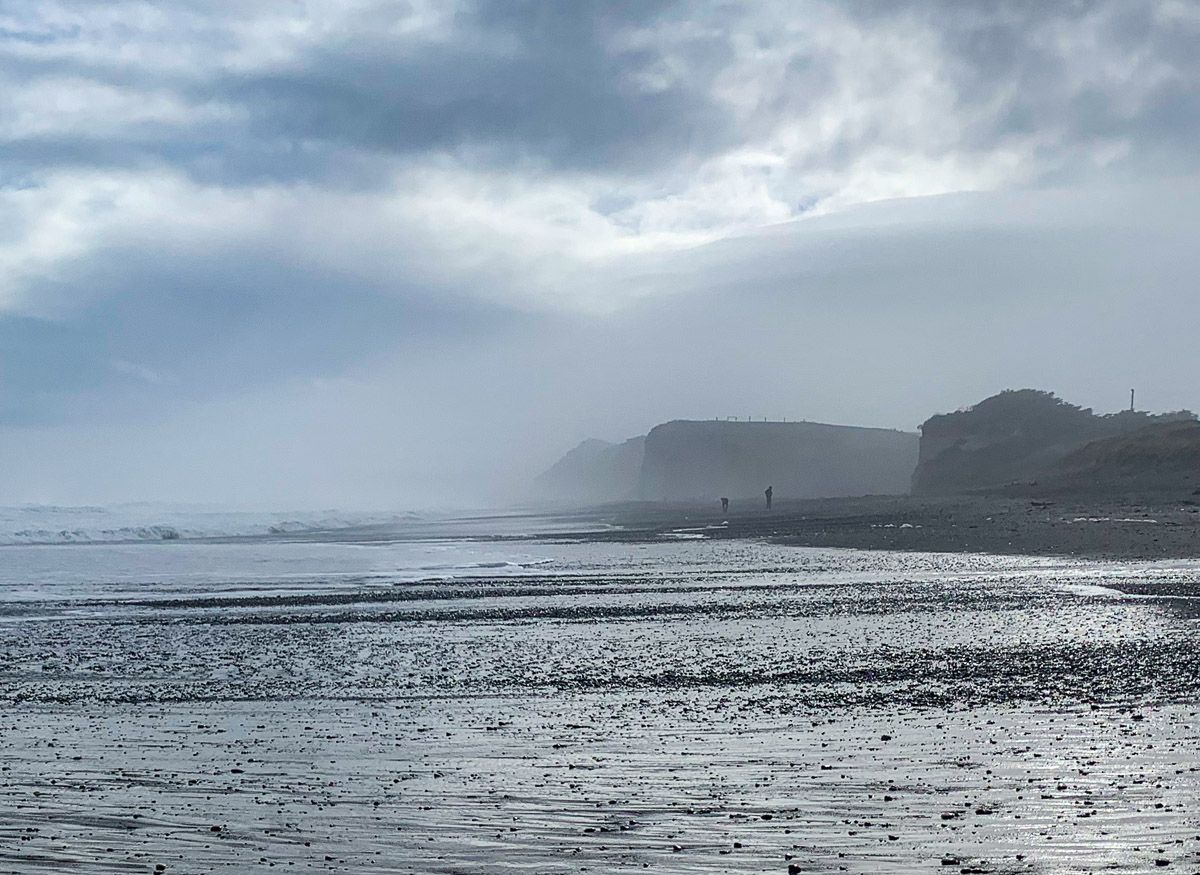
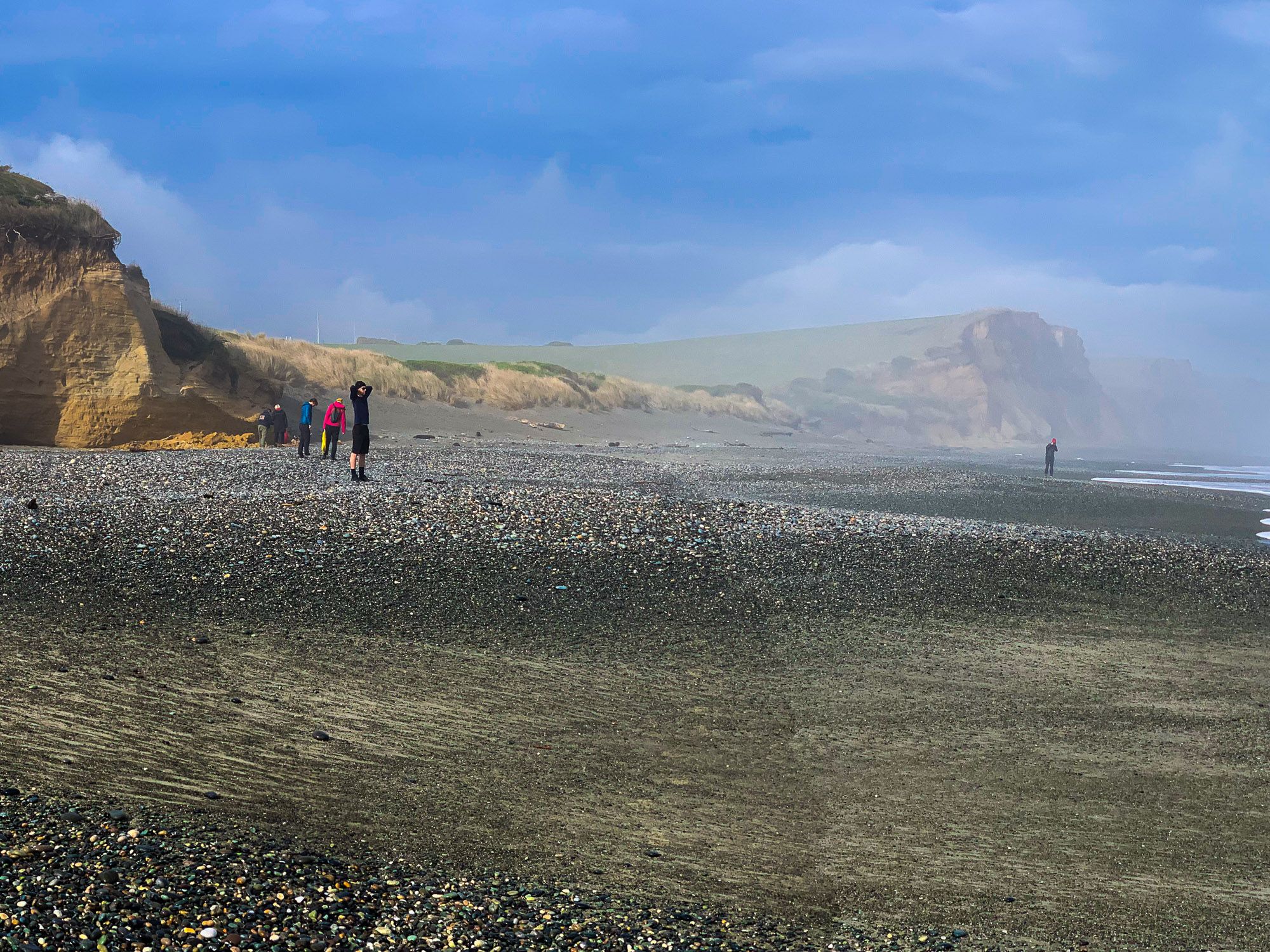
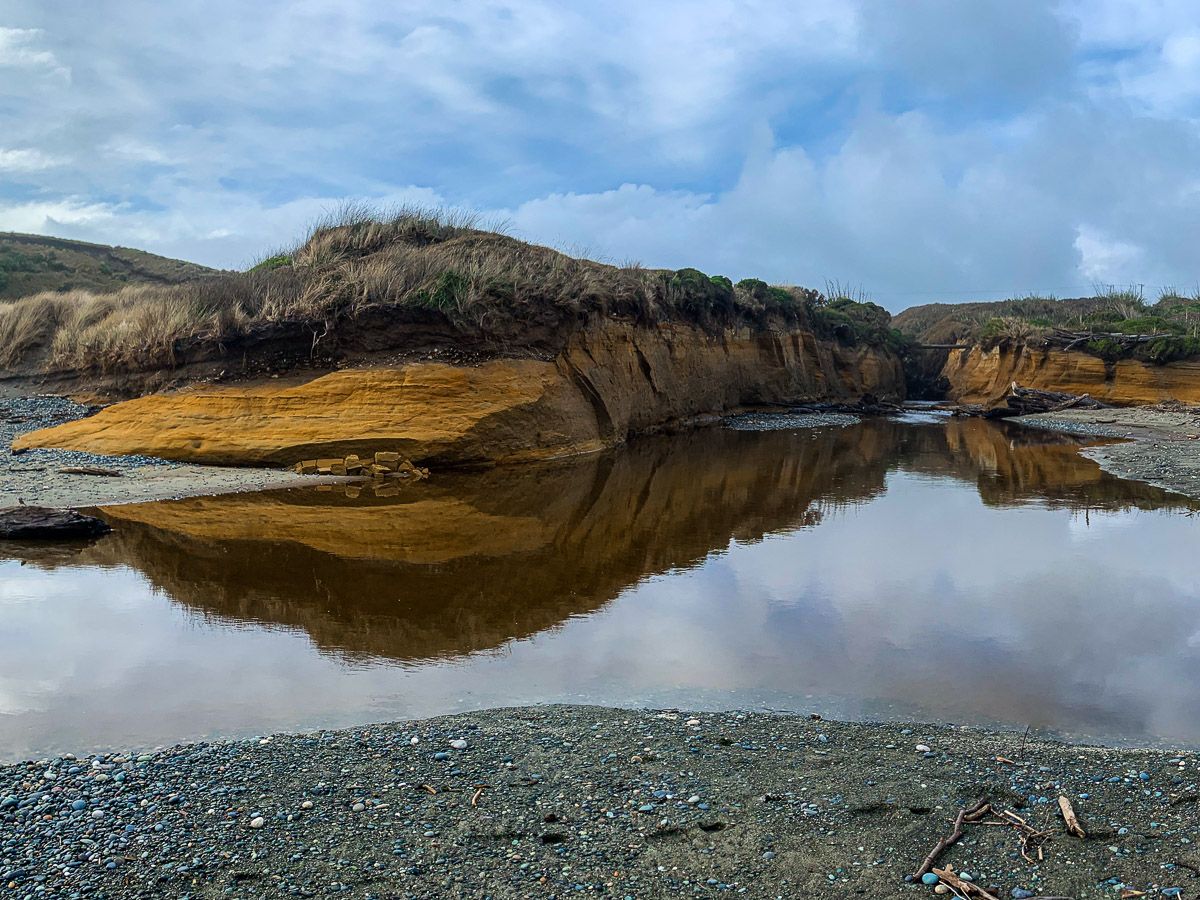
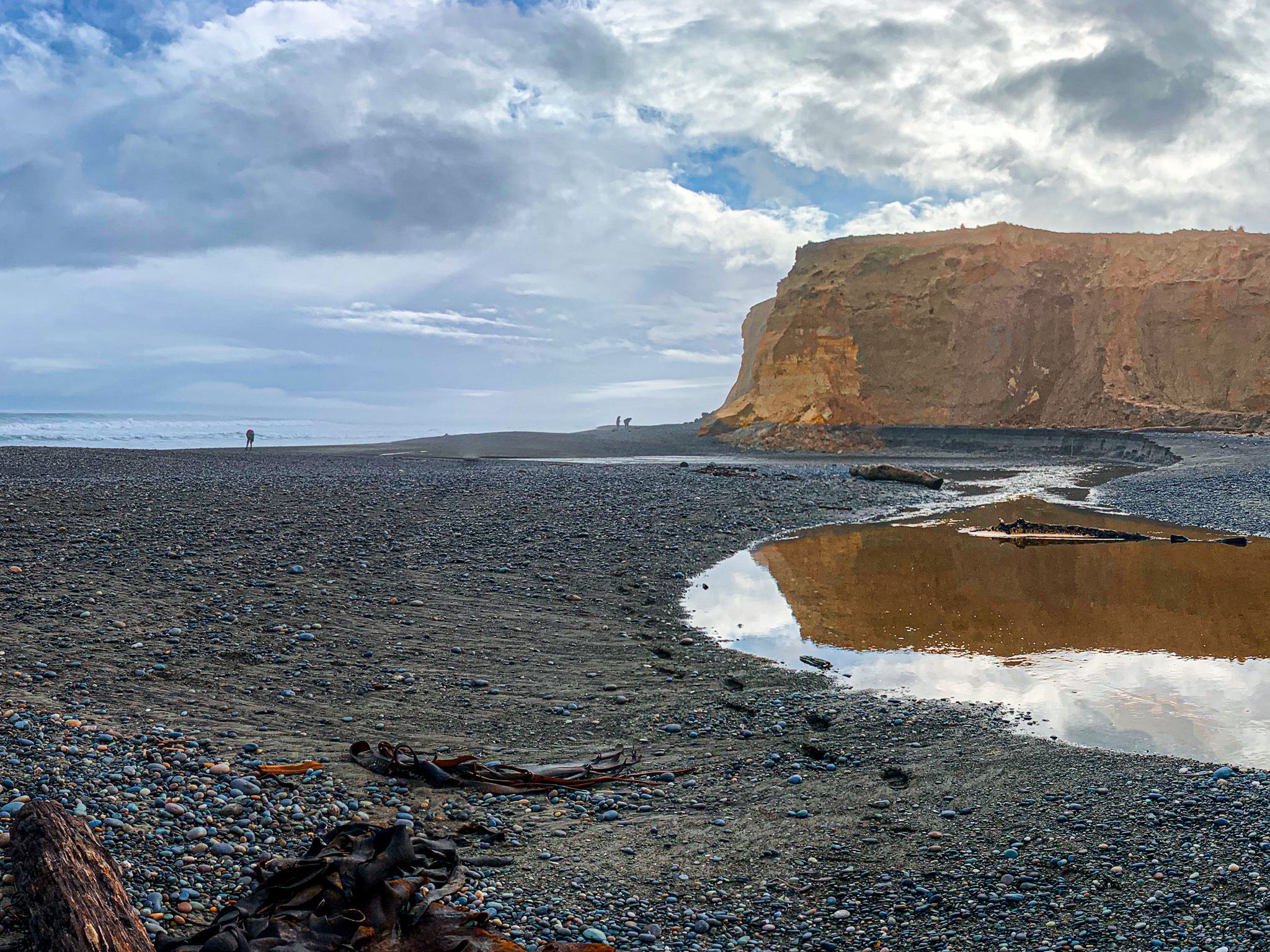
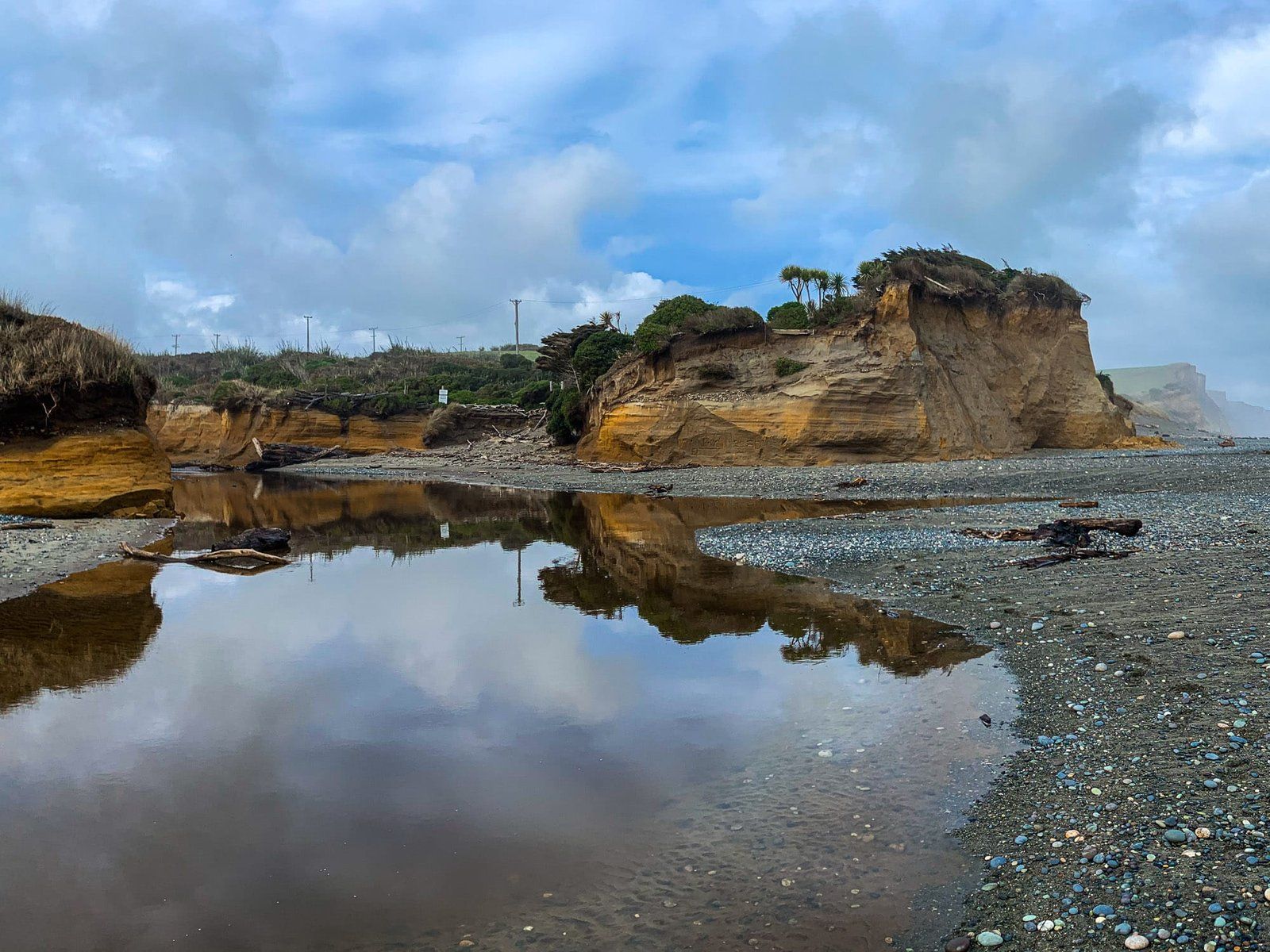
Heading west along the Southern Scenic Route from Invercargill and Aparima / Riverton towards Tuātapere, you can easily miss Gemstone Beach if you blink at the wrong moment. A large sign near Orepuki marks the turn-off into a small parking area on the edge of Te Waewae Bay, and from there it is a short walk between low dunes and crumbling cliffs to reach a beach where the stones and pebbles deserve as much attention as the sand and surf.
What you might find
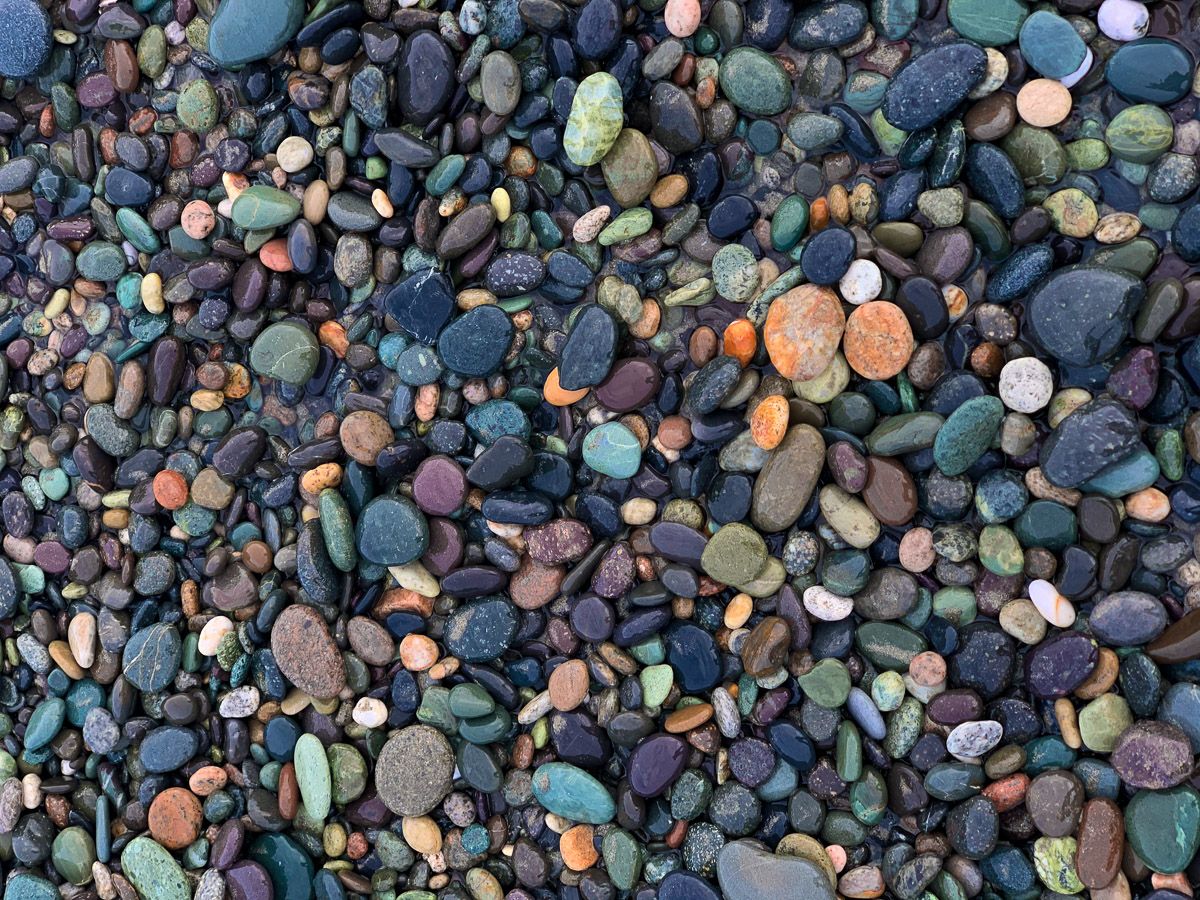
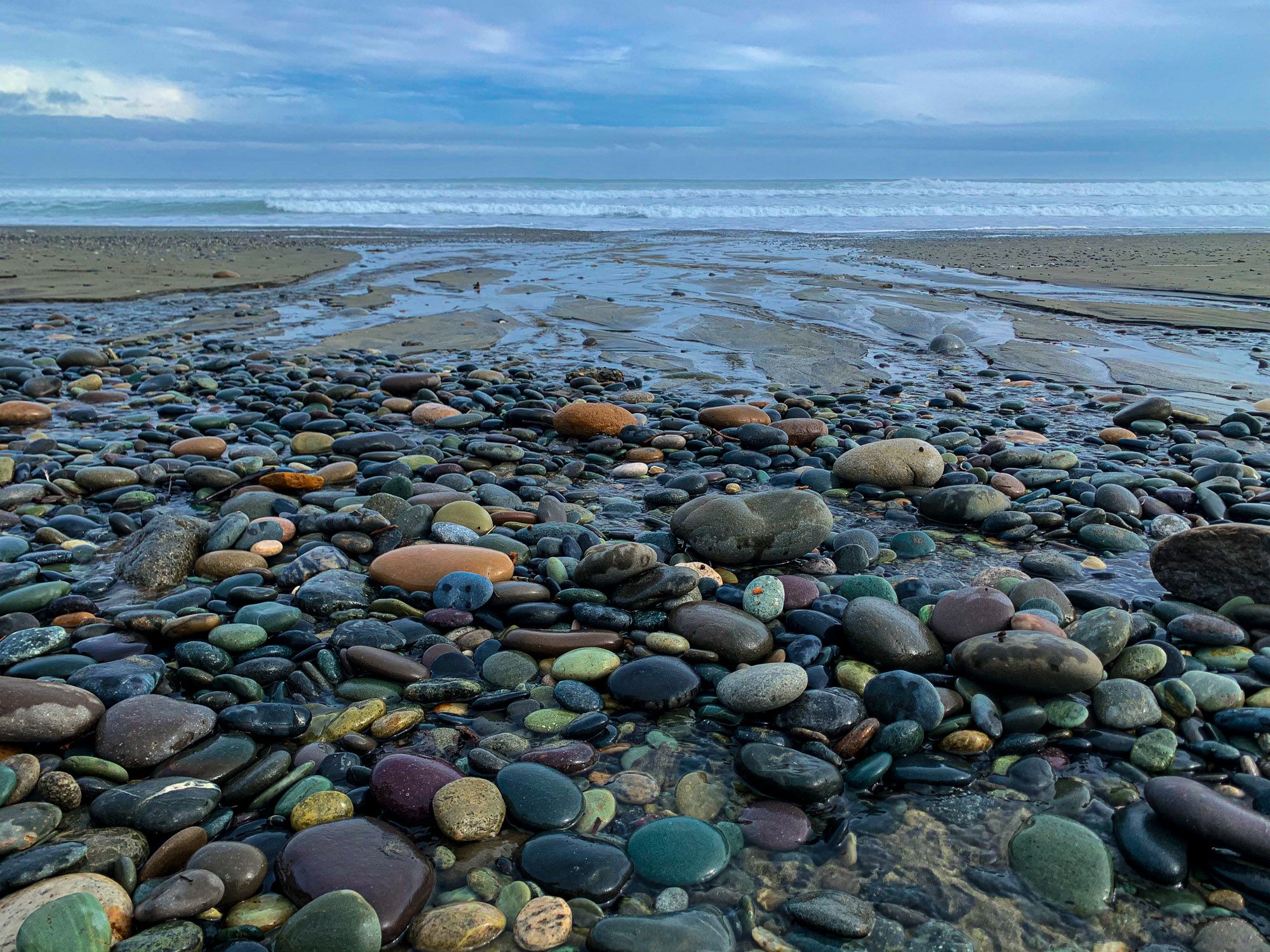
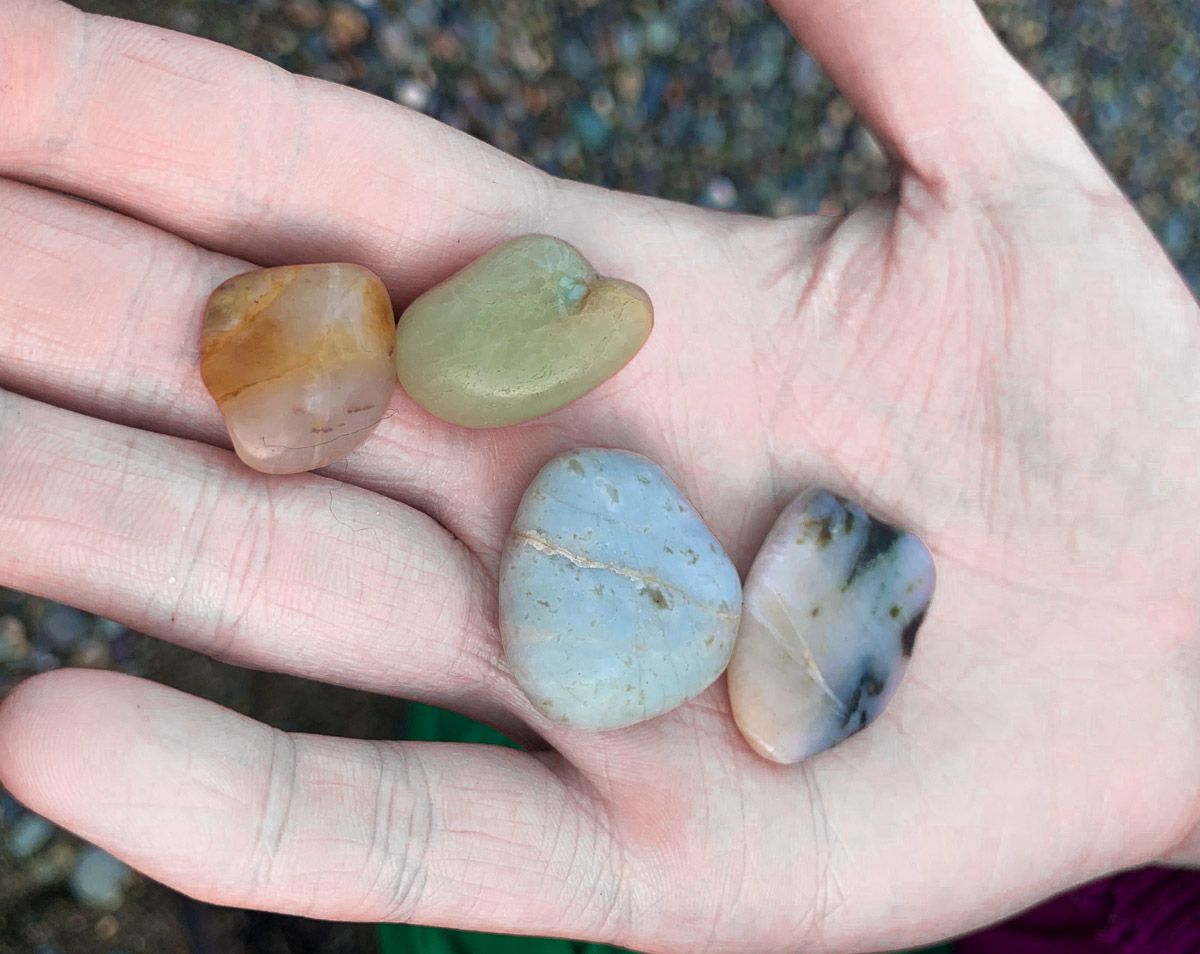
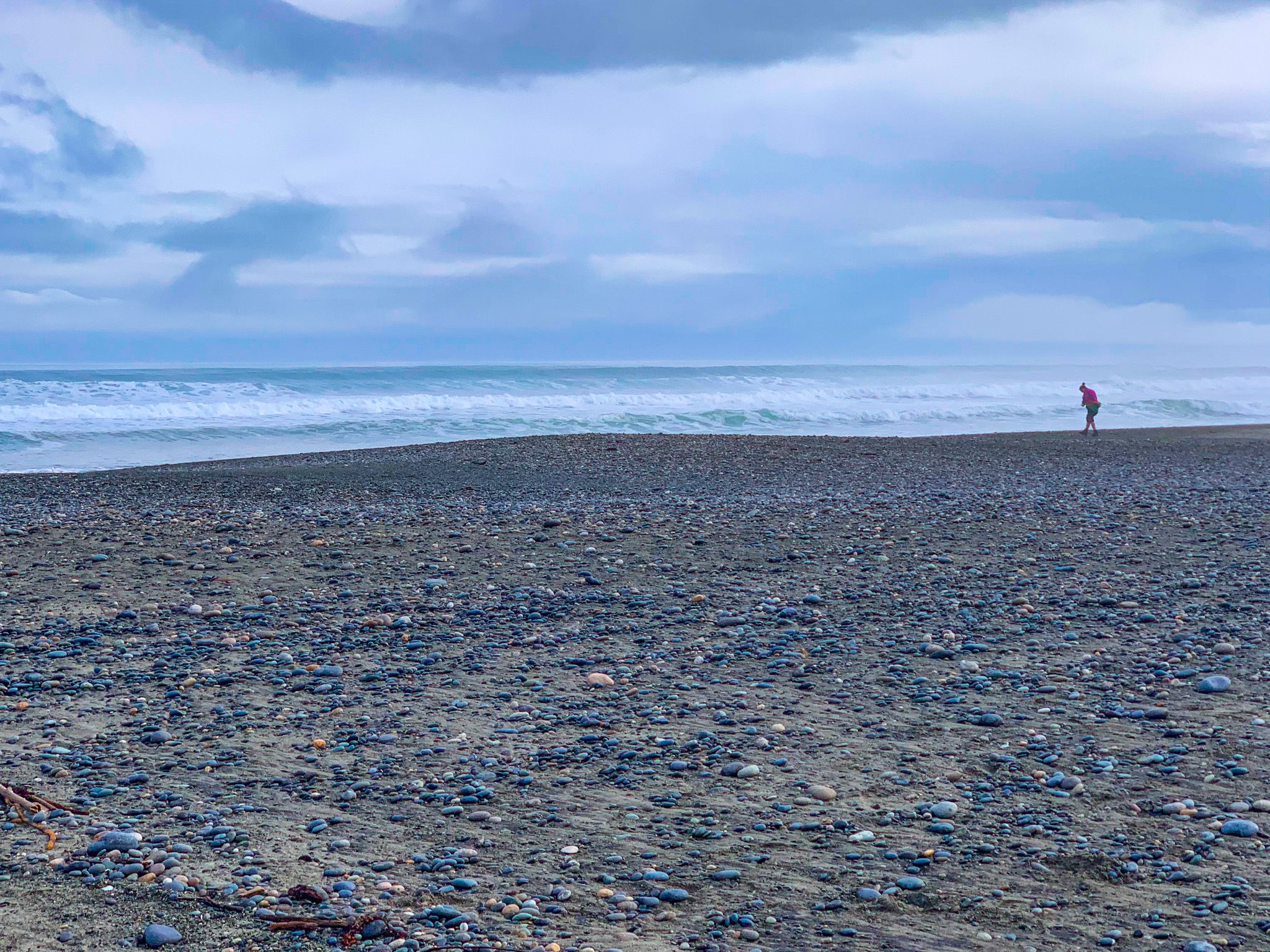
The beach earns its name. Even if you have no eye for geology, the sheer variety of coloured pebbles and stones spread across the foreshore is striking. Those who know what to look for will find semi-precious stones, including garnet, jasper, quartz, and nephrite. Pounamu has also occasionally been spotted here, and flecks of gold are also possible, given the beach's proximity to Orepuki and Monkey Island, which have a gold-mining history.
Some practical advice from a collector encountered at the beach: Garnets are the real thing if they still shine after drying. Picking up a few stones and polishing with a towel is a simple field test. A small booklet by Jocelyn Thornton, Gemstones, is available online and is a handy reference for the more enthusiastic fossicker.
The beach is constantly changing. Storms and tides shift the surface between sand and stones, so what you find on one visit may look completely different on the next. Walking 300 to 400 metres west from the car park, past the Taunoa Stream, provides a greater concentration of interesting stones.
A long journey from the Southern Alps
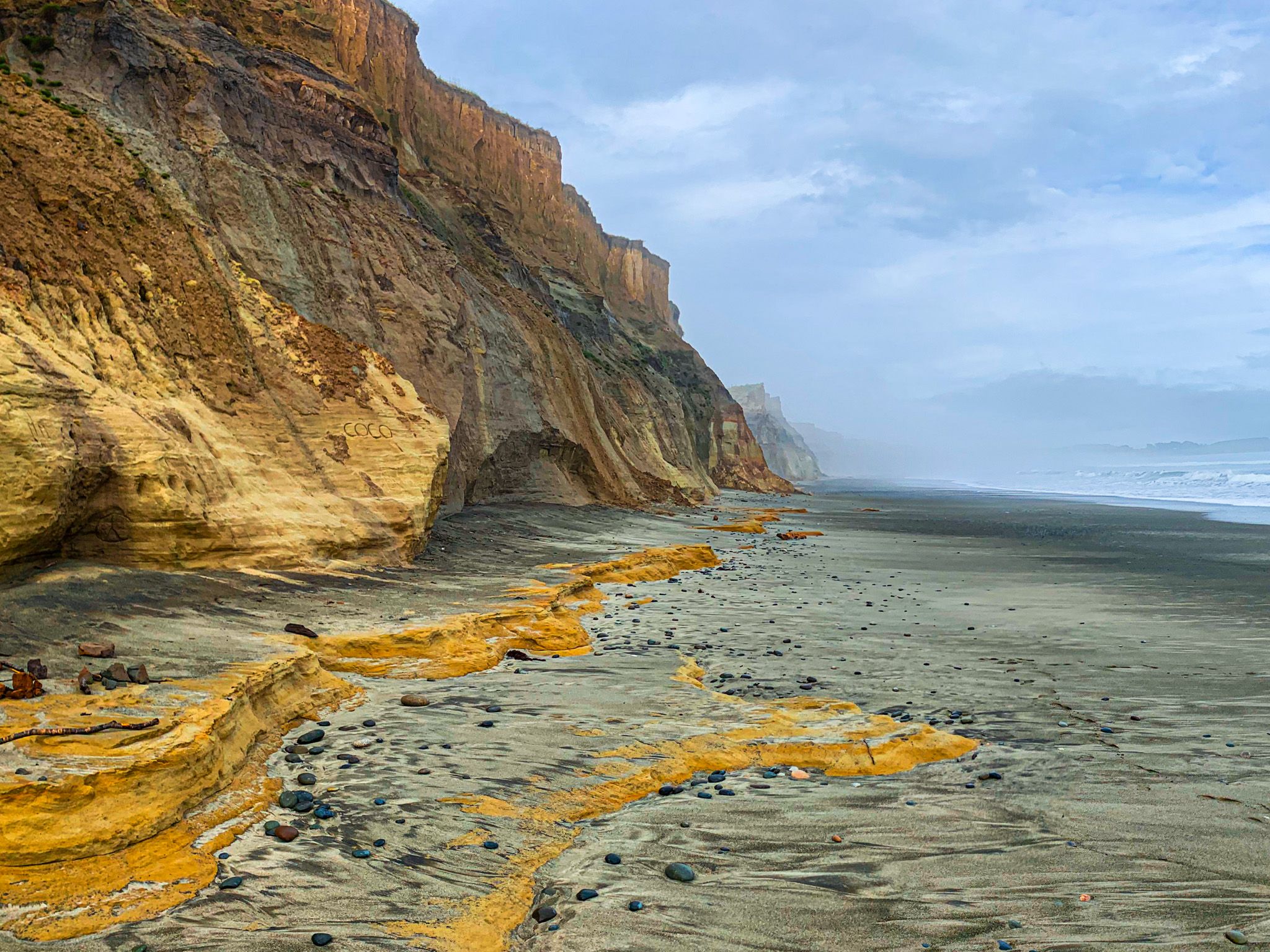
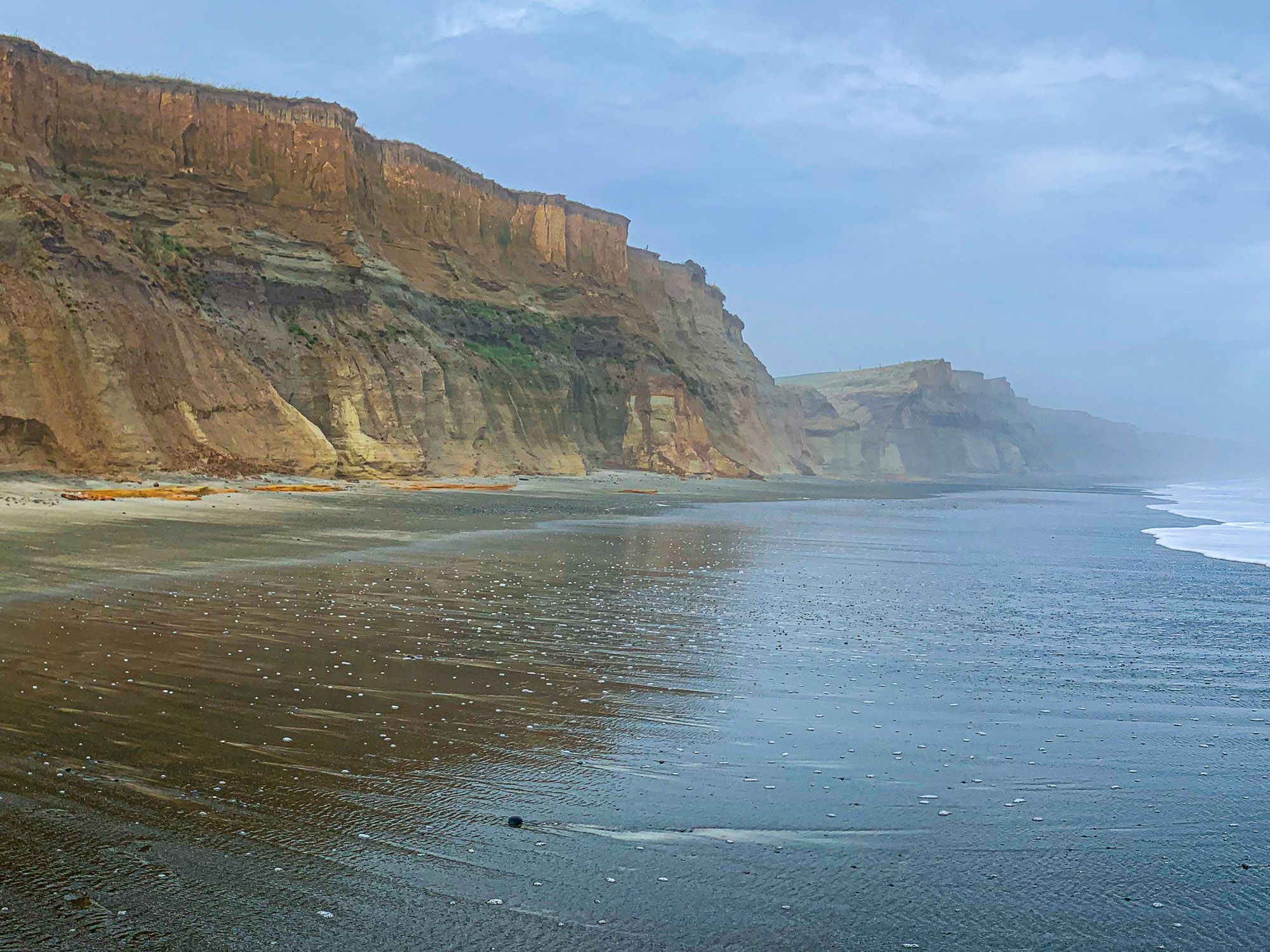
The stones have travelled a remarkable distance to reach the beach. During the last ice age, around 16,000 to 18,000 years ago, the glaciers of Fiordland retreated, and the Southern Alps shed rock into the Waiau River. The river carried the material south to the sea, where prevailing currents deposited it along the eastern side of the bay, southeast of the river mouth. Over thousands of years, the stones have been tumbled and polished in the river and surf. Today, they sit scattered across the foreshore below the orange to gold cliffs.
Names and their meanings
The traditional Māori name for the beach, Orepuki, is generally believed to be an adaptation of Aropaki. This means "bright expanse," referring to the moment the first Ngāi Tahu emerged from the dense forest, then north of the bay and saw the Te Waewae for the first time. Other possible translations include "crumbling cliffs". Orepuki, the small town nearby today, has a history of gold mining in the late nineteenth century.
Safety Considerations
Swimming at Gemstone Beach is not recommended. The surf is powerful, and strong currents make it genuinely dangerous along most of the extended bay. The cliffs behind the beach can also be a hazard and are prone to slumping. High tide can also reach the cliffs in places, and the best time to visit is during low tide.
How to get there
From Invercargill, allow 55 minutes (67 km) drive west via Riverton/Aparima and Colac Bay. From Te Anau, the drive takes around 85 minutes (120 km) heading south via Tuātapere. No facilities are available at the beach itself.
Other nearby places to visit include McCracken's Rest, with sweeping views across Te Waewae Bay toward Fiordland, the Round Hill Walking Track and Bluecliffs Beach on the west side of Te Waewae Bay.